

Karahan Tepe Uncovers a Second Human Figure and Rectangular Enclosure
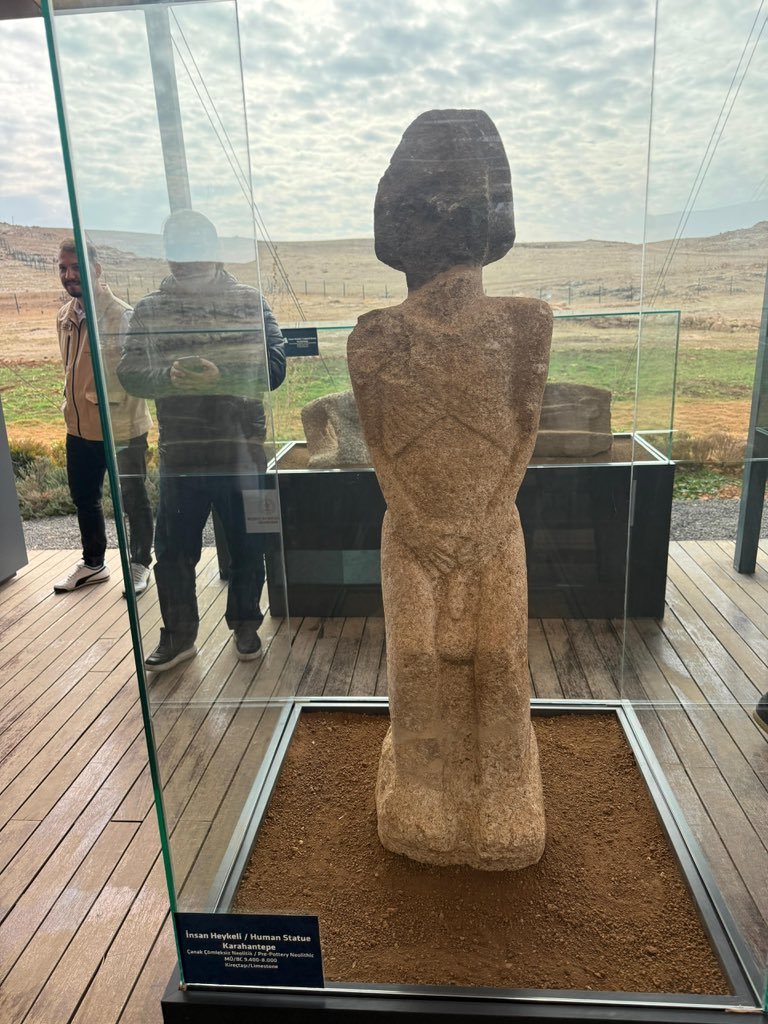
A second human statue has been found and put on display at Karahan Tepe -November 2025
A Second Human Statue from Karahan Tepe
Another full-bodied human statue has now been revealed from the excavations earlier this year at Karahan Tepe. Like the first standing figure that made headlines, this new statue shows the same unmistakable gesture: hands brought toward the lower abdomen, nude, ribs showing, body upright, carved from a single block of limestone.
The statue was found in the same enclosure as the previous one, along with a square wall niche holding a human skull, suggesting ritualistic significance.
The proportions, features, and phallus place it firmly within the artistic language of Taş Tepeler. With two nearly identical poses now from the same ritual complex, this isn’t just artwork, it’s a symbol. Potentially about their beliefs of life and death.
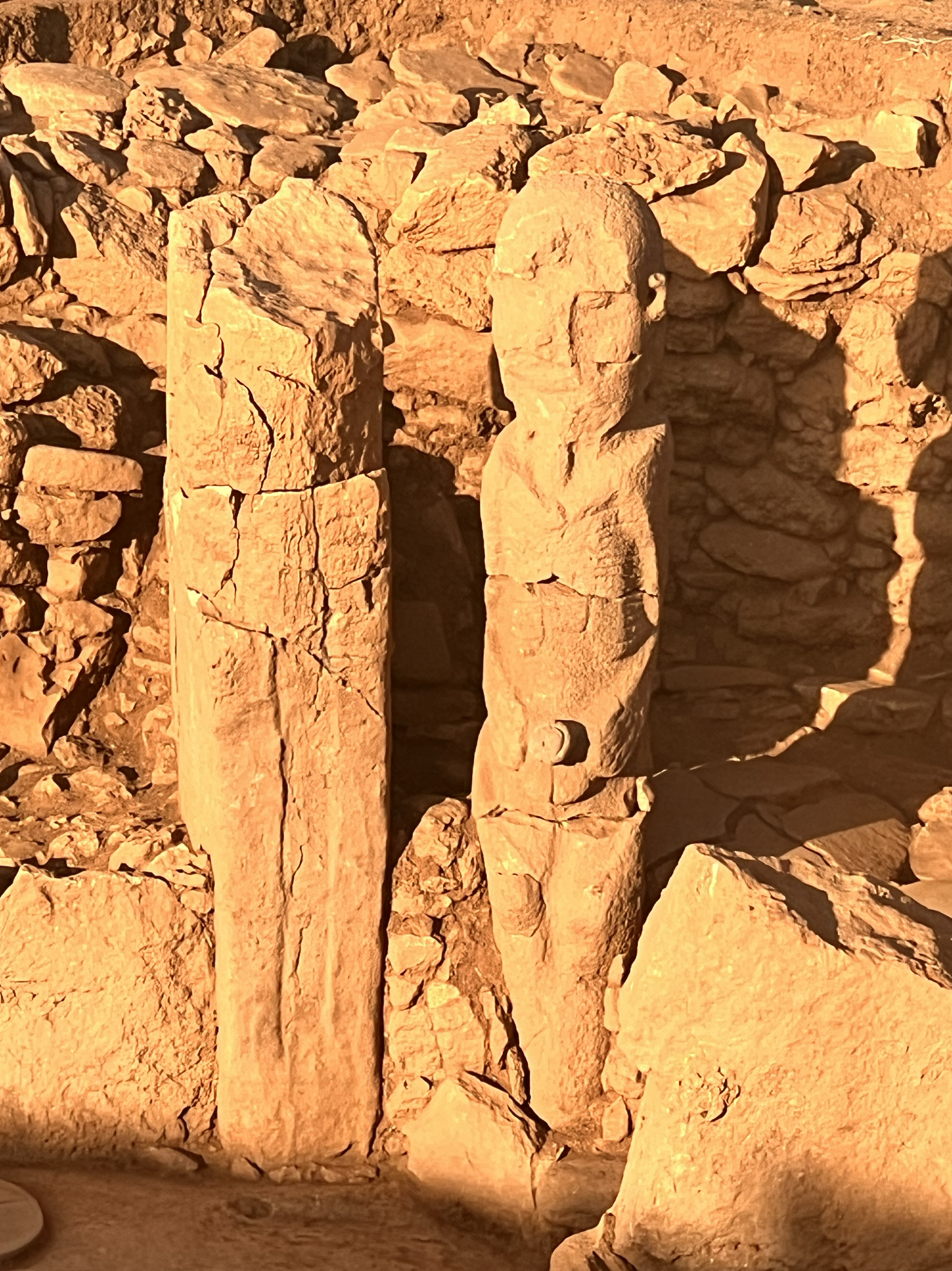
The first human statue found at Karahan Tepe @ Dakota Wint
A Wider Pattern: The Sayburç Statue and the “Shell Eyes” Tradition
Karahan Tepe isn’t the only site revealing the human form.
At Sayburç, another settlement within the Taş Tepeler cultural zone, archaeologists recently uncovered a carved human figure with striking similarities: a clearly defined rib cage and deep-set eyes that bear a resemblance to cowrie shells and a sewn mouth.
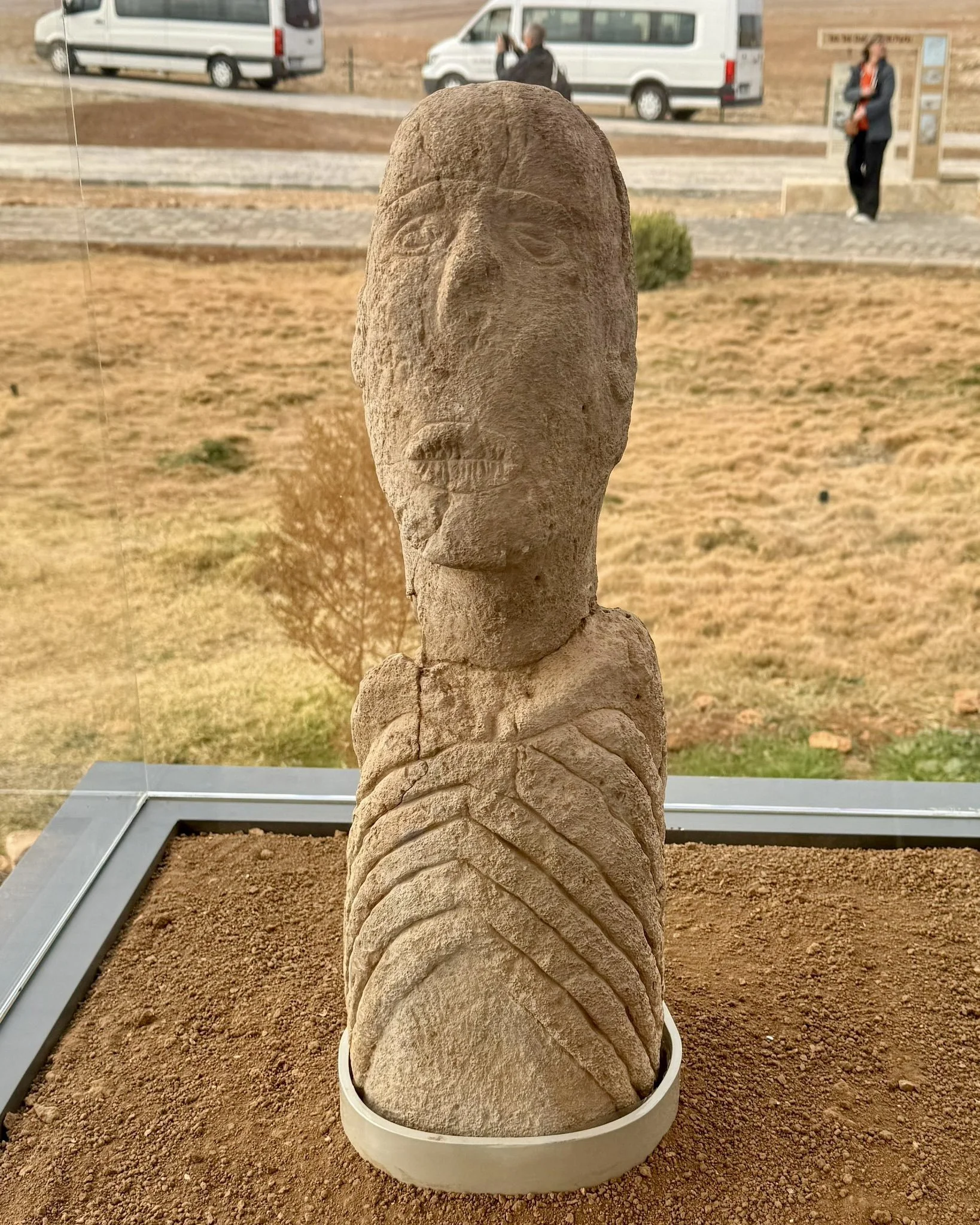
Human Statue with rib cage found at Sayburç, on display at Karahan Tepe in November 2025
Whether the similarity is intentional or coincidental, the comparison matters because in the broader Near Eastern Neolithic world, shell-inlaid eyes are often associated with the dead. The famous plastered skulls of Jericho, where cowries were placed into eye sockets, transformed human remains into something between ancestor, presence, and symbol.
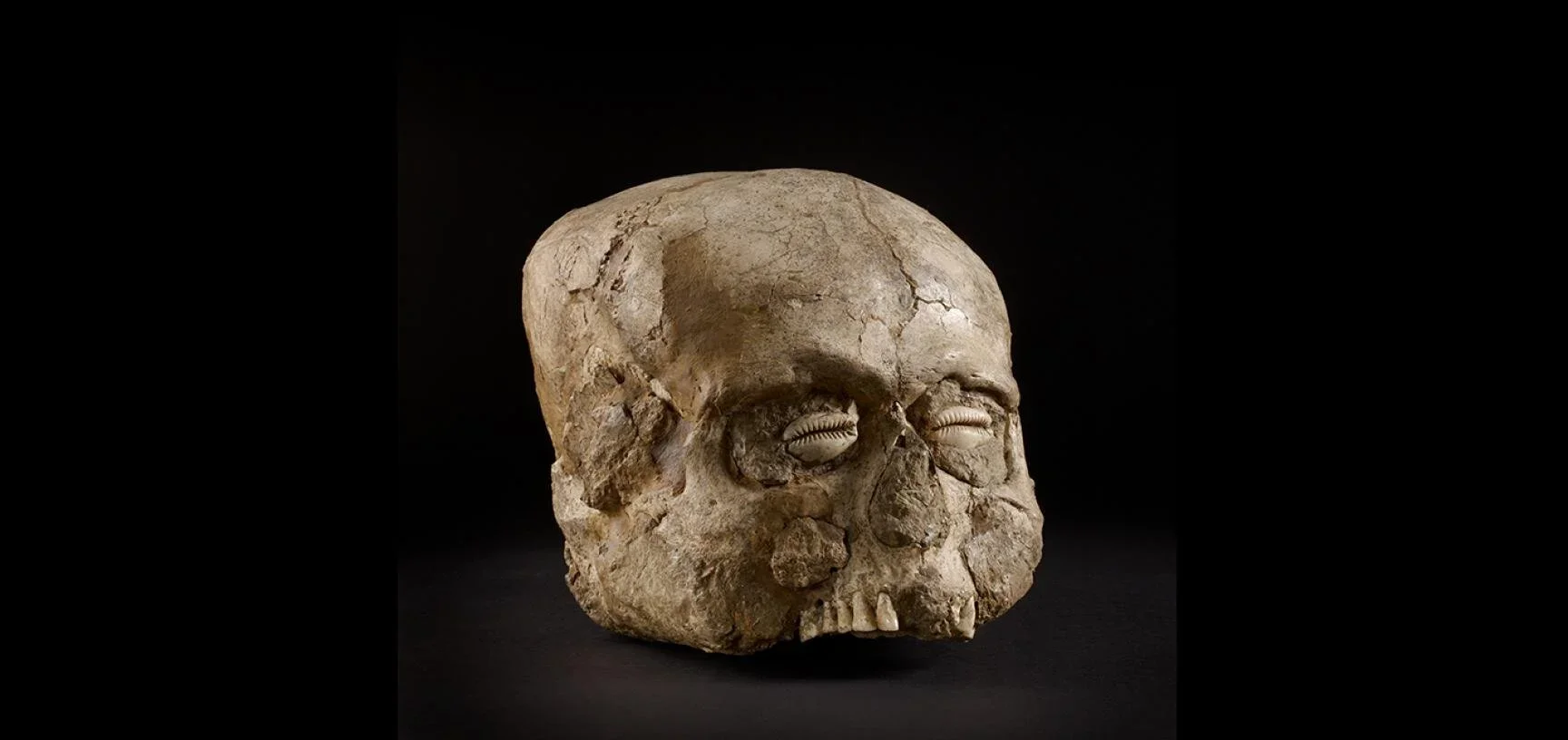
Plastered skull from Jericho, around 7000BC, Ashmolean Museum, Oxford.
That practice hasn’t been confirmed in Taş Tepeler, but skull and bone collection absolutely was part of the culture. Human crania and fragments have been recovered from Göbekli Tepe, Sayburç, Sefertepe, Karahan Tepe, and other sites in the region.
Nothing like the fully plastered Jericho skulls has been found here, but the similarities at Sayburç and Karahan Tepe suggest the dead may have played an active role in ritual or symbolic life.
Gesture, Body, Meaning
Across Taş Tepeler, themes persist:
human bodies
exposed ribs
exaggerated masculinity
and repeated emphasis on the genital region
Some carvings from the region depict erect phalluses. Others show stylized individuals grasping or framing their lower body - just like the two new statues from Karahan Tepe or ‘Urfa Man’.
When you look at it, it doesn’t read as a living person. The ribs make it feel like a body after death - thin, and exposed. And right next to that, the genitals are still clearly carved. It’s a strange mix: decay and reproduction sitting in the same figure. Are these important figures in the community or a general symbol meant to share a deeper message about life and death?
In many early cultures, a person’s role didn’t end with death. They shifted into a different status: ancestor, witness, protector. The physical body, or a carved replacement for it, allowed that role to continue. These objects weren’t simply graves or memorials. They were a means of keeping the dead active inside the community.
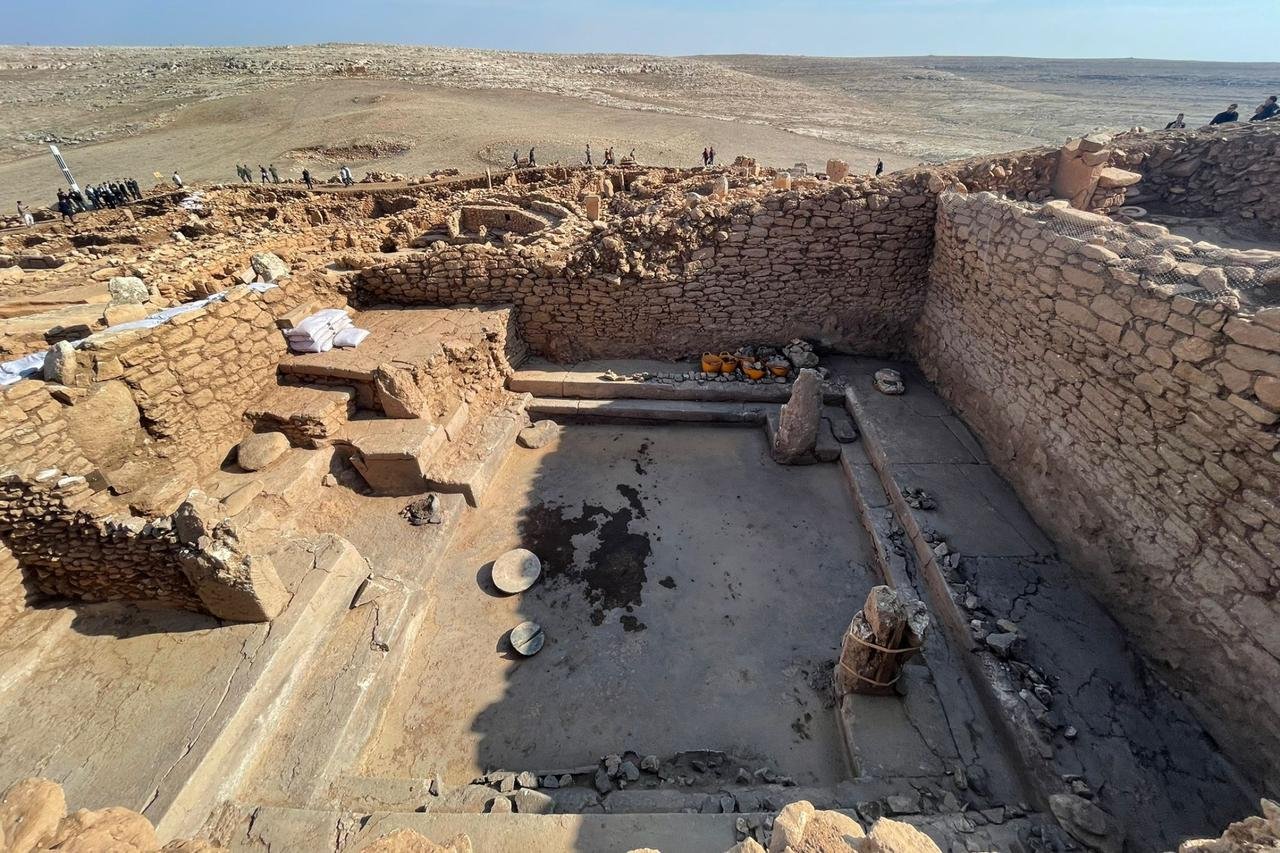
The Mysterious Rectangular Enclosure at Karahan Tepe
Rectangular Enclosure at Karahan Tepe
One of the most interesting new discoveries at Karahan Tepe is a long rectangular room carved directly into the bedrock. Unlike the round enclosures that have only been found up to this point, this structure is completely straight and narrow, almost like a stone amphitheater cut into the hillside.
While we don’t yet know its exact purpose, the rectangular enclosure shows that Karahan Tepe builders were incredible stone carvers. It adds another layer to our understanding of the site and highlights how creative and complex these early builders really were.
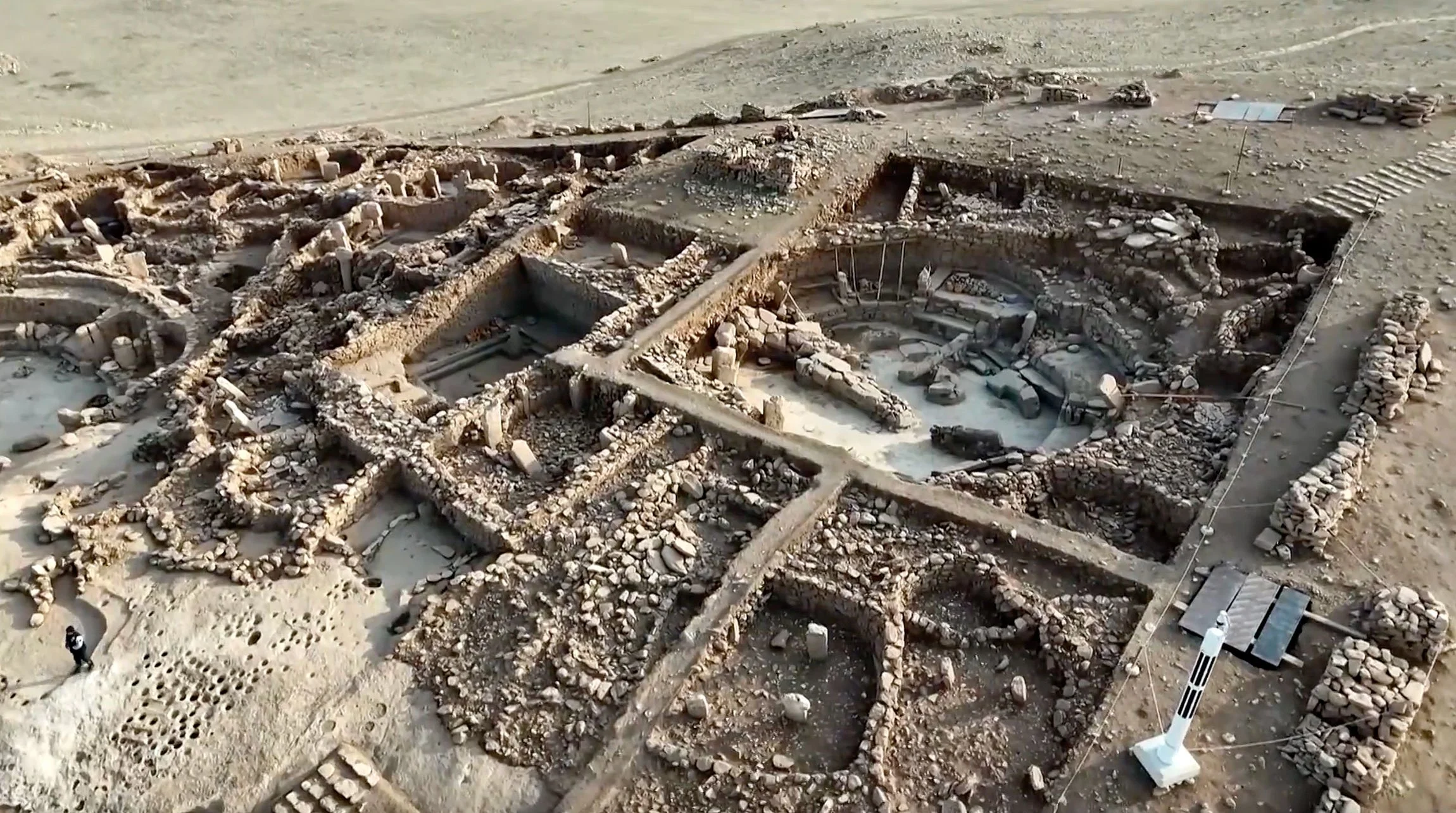
Want to Visit Karahan Tepe?
Karahan Tepe is now open to visitors. While Göbekli Tepe has drawn international attention and a visitor center, Karahan remains raw, windswept, and largely untouched—a living excavation site.
To explore either site respectfully and in-depth, use a reputable guide such as SanliurfaTour.com or +17076416697
As more of the Tas Tepeler sites are unearthed—including Sefer Tepe, Sayburc, and Harbetsuvan—we may finally glimpse the mind of humanity before history!
Sign up for our newsletter
Sign up for our newsletter and get a free e-book all about Karahan Tepe—plus be the first to know when new discoveries emerge from Karahan Tepe, Göbekli Tepe, and the mysterious Taş Tepeler region.
Join the newsletter
Sign up for our newsletter and get a free e-book all about Karahan Tepe—plus be the first to know when new discoveries emerge from Karahan Tepe, Göbekli Tepe, and the mysterious Taş Tepeler region.
The past is still being uncovered. Don’t miss it.
Written by Dakota Wint
