Karahan Tepe Research & Archive Project
Sefer Tepe’s Stone Faces: Expanding Symbolism of Karahan Tepe
A newly discovered double-headed stone slab at Sefer Tepe adds fresh insight into the symbolic world of Taş Tepeler. When viewed alongside the carved heads at Karahan Tepe, the double-headed figure at Çayönü, and the monumental paired statue at Ain Ghazal in Jordan, a broader Neolithic pattern begins to emerge. This article explores the ritual significance of the head, skull preservation practices, and the meaning of dual imagery across early settled communities of Upper Mesopotamia.
The World’s Oldest Staircase? A Discovery at Karahan Tepe
More than 11,000 years ago, a small stone staircase at Karahan Tepe is quietly reshaping how we think about the earliest architecture on Earth. In a time long before cities, writing, or fully developed farming, these steps suggest that people were already designing complex architecture. The discovery offers a rare glimpse into how the first monumental environments may have guided ritual, gathering, and experience, hinting that the origins of architecture begin not with shelter, but with intention.
The Sayburc Human Statue: A New Link Between Göbekli Tepe and Karahan Tepe
Archaeologists at Sayburç have uncovered a human statue unlike anything yet found in this small Neolithic village. The figure shows a narrow chest with carved ribs, a mouth that looks deliberately closed, and eyes that resemble sea shell. The discovery gives Sayburç a clearer place in the wider network and shows that the symbolic language of the region wasn’t limited to the hilltop sanctuaries like Gobekli Tepe and Karahan Tepe.
Karahan Tepe Uncovers a Second Human Figure and Rectangular Enclosure
A second human statue has been uncovered at Karahan Tepe, matching the same pose and style as the first major figure found at the site. With new parallels emerging between Karahan Tepe and Sayburç, the pattern behind these carvings is becoming harder to dismiss.
New Discovery: A Human Face Carved on a T-Pillar at Karahan Tepe
October 6th, 2025 at Karahan Tepe, archaeologists have uncovered something never seen before — a T-shaped pillar carved with a human face.
How to Visit Karahan Tepe: Travel Tips, Tours, and What to Expect
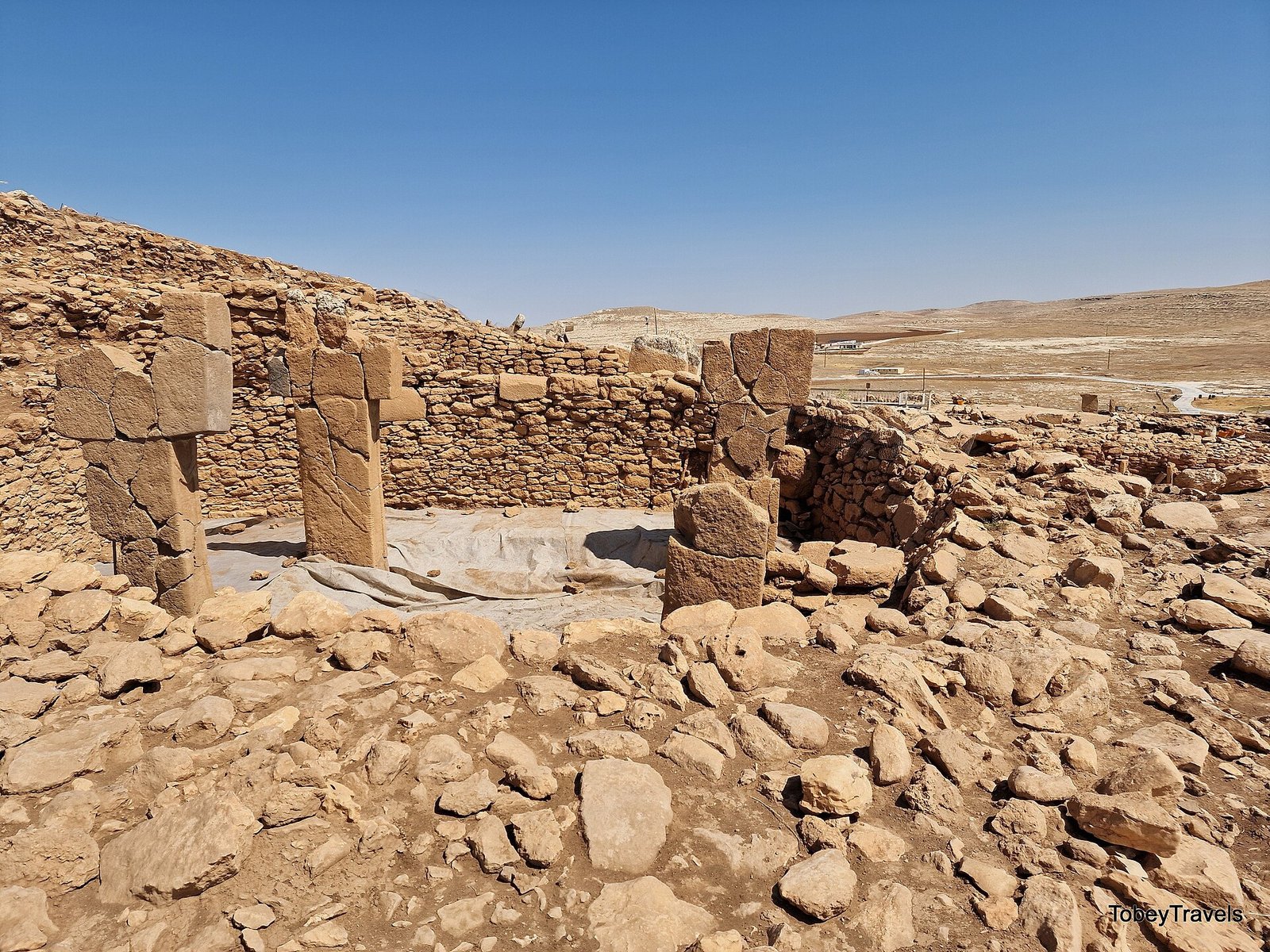
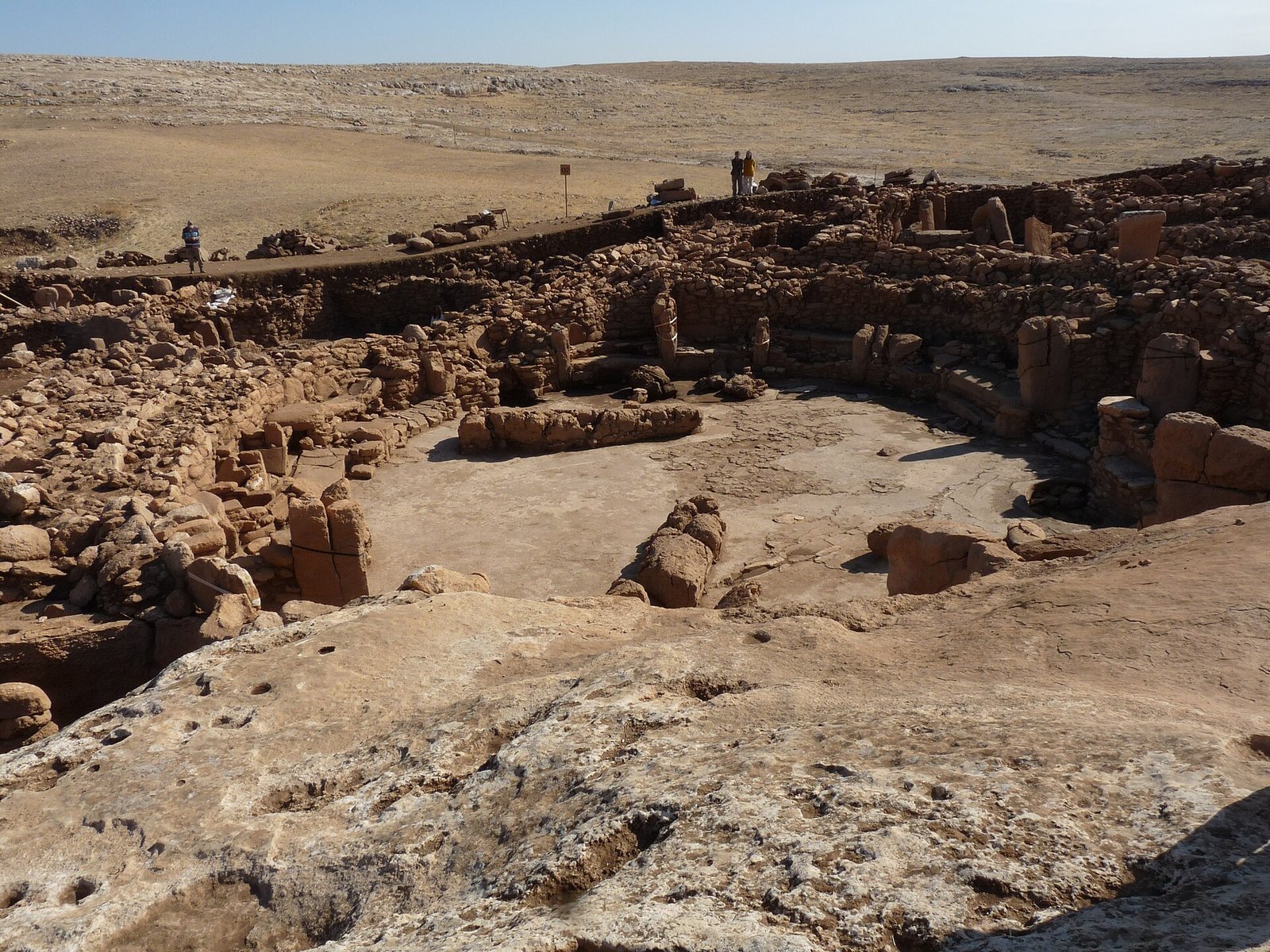
Hidden in the hills outside Şanlıurfa, Karahan Tepe is one of Turkey’s most fascinating ancient sites—an 11,000-year-old temple that rivals Göbekli Tepe in mystery. Visiting isn’t difficult, but it does take a little planning.
The Strange Human Statue Unearthed at Karahan Tepe
A haunting human statue carved 12,000 years ago.
The Corpse Statue of Karahan Tepe was found seated in a ritual chamber, ribs exposed. Who was he? What does he represent? Discover one of the most mysterious sculptures ever unearthed—and what it reveals about the dawn of spirituality.
Karahan Tepe vs. Gobekli Tepe: What’s the Difference?
What’s the difference between Gobekli Tepe and Karahan Tepe? Discover how these ancient archaeological sites in Turkey compare in age, architecture, symbolism, and spiritual significance—and why both are key to understanding the origins of civilization.
What Is Karahan Tepe? A Beginner’s Guide to the Oldest Temple on Earth
Buried for over 11,000+ years, Karahan Tepe is one of the oldest sacred sites ever found! Older than the pyramids, older than cities, other than written language and the wheel. This stone temple rewrites the origins of civilization. But who built it… and why?