

The World’s Oldest Staircase? A Discovery at Karahan Tepe
Make it stand out
A New Clue Into Neolithic Architecture
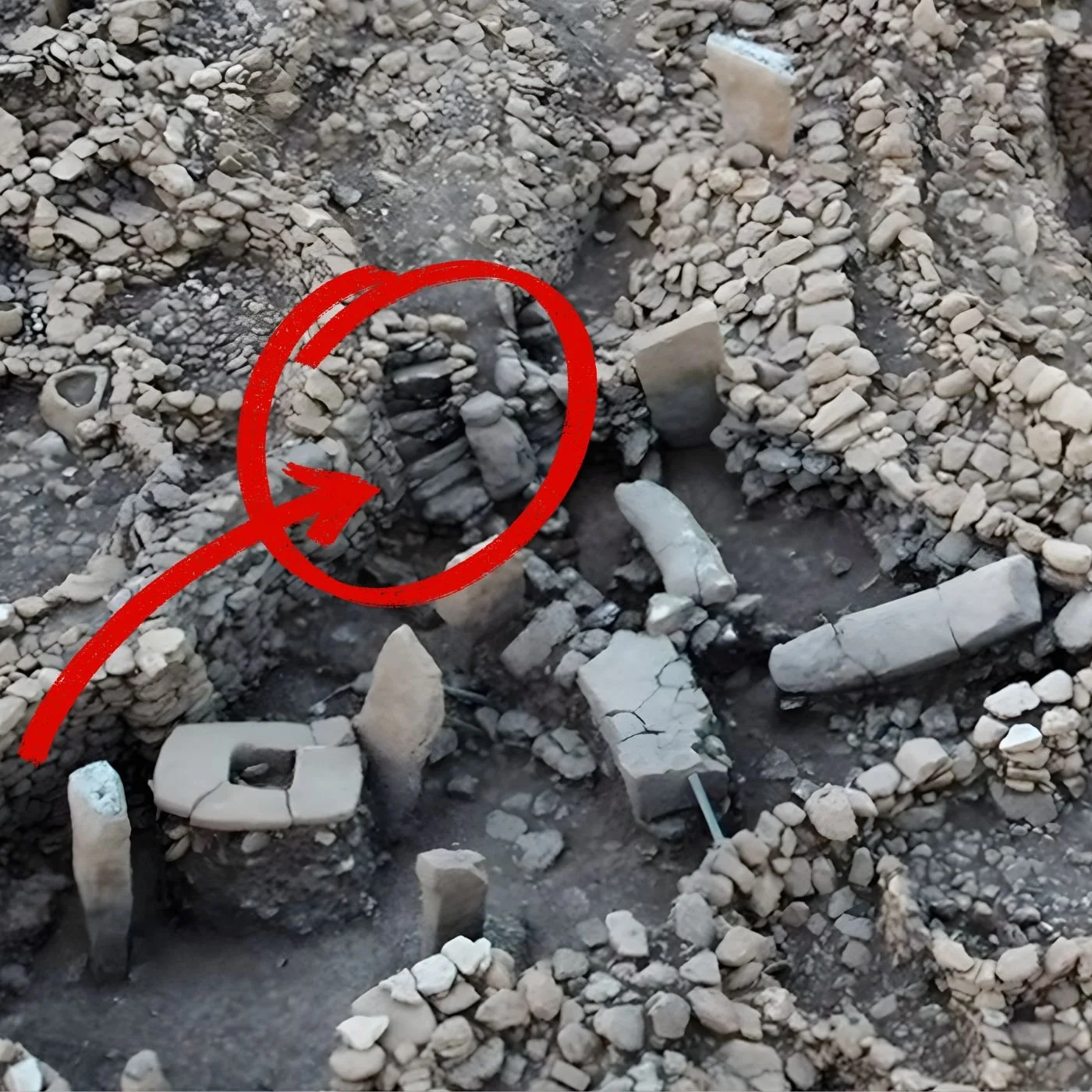
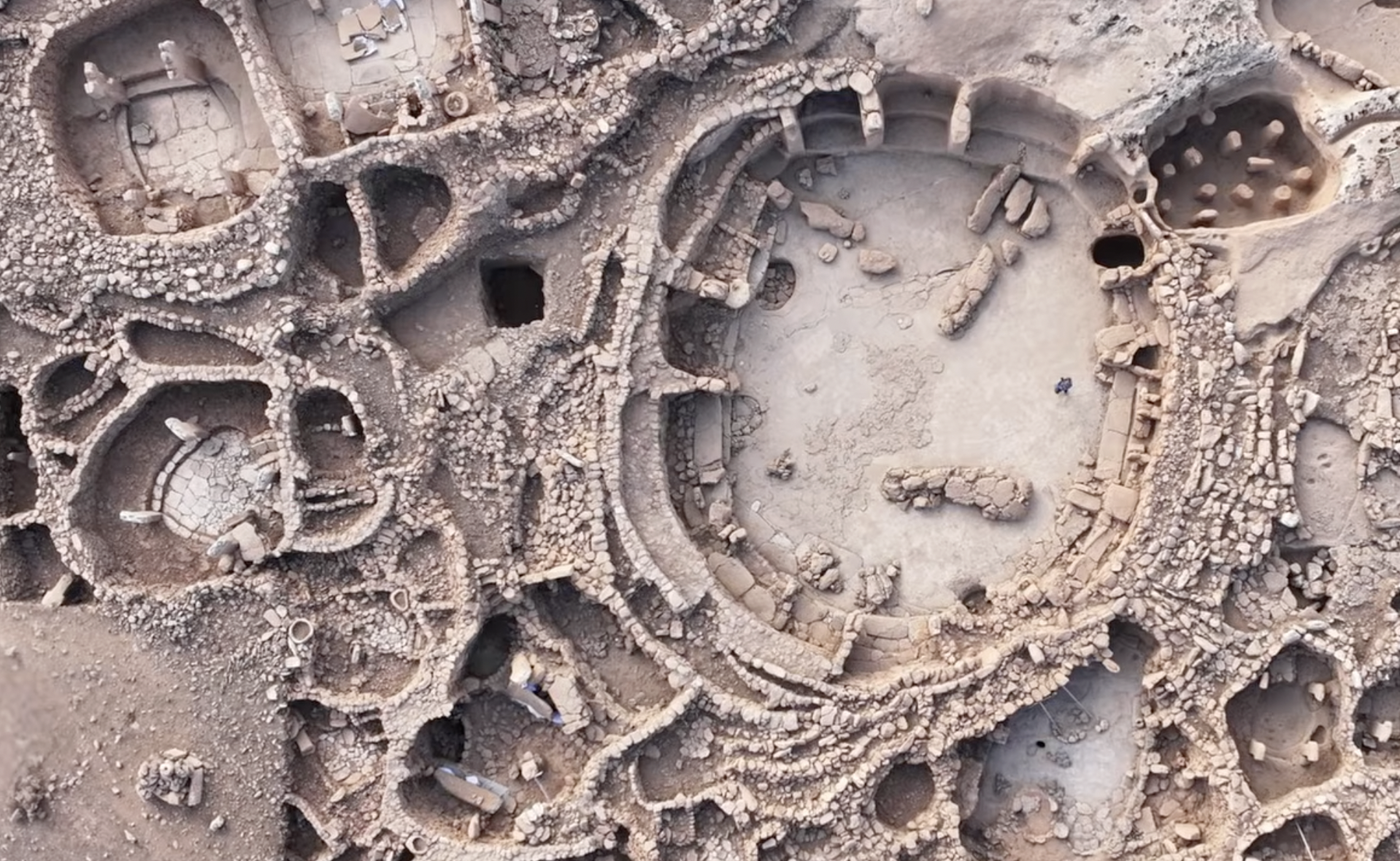
Karahan Tepe, part of the Taş Tepeler archaeological region in southeastern Türkiye, continues to transform our understanding of early human civilization. With discoveries such as the seven-foot-tall human statue, the enigmatic pillar pit, the recently discovered rectangular building, and now what may be the oldest known staircase ever uncovered, the site is revealing an unexpected level of architectural sophistication dating back more than 11,000 years.
From ArkeoMedya conversation with Dr Necmi Karul
A Monumental Detail in an Already Monumental Site
Dating back roughly 11,000 years, Karahan Tepe belongs to the same cultural horizon as Göbekli Tepe, yet it presents a distinct architectural language. While Göbekli Tepe is known for its circular enclosures and towering T-pillars, Karahan Tepe reveals a more complex built environment carved directly into bedrock.
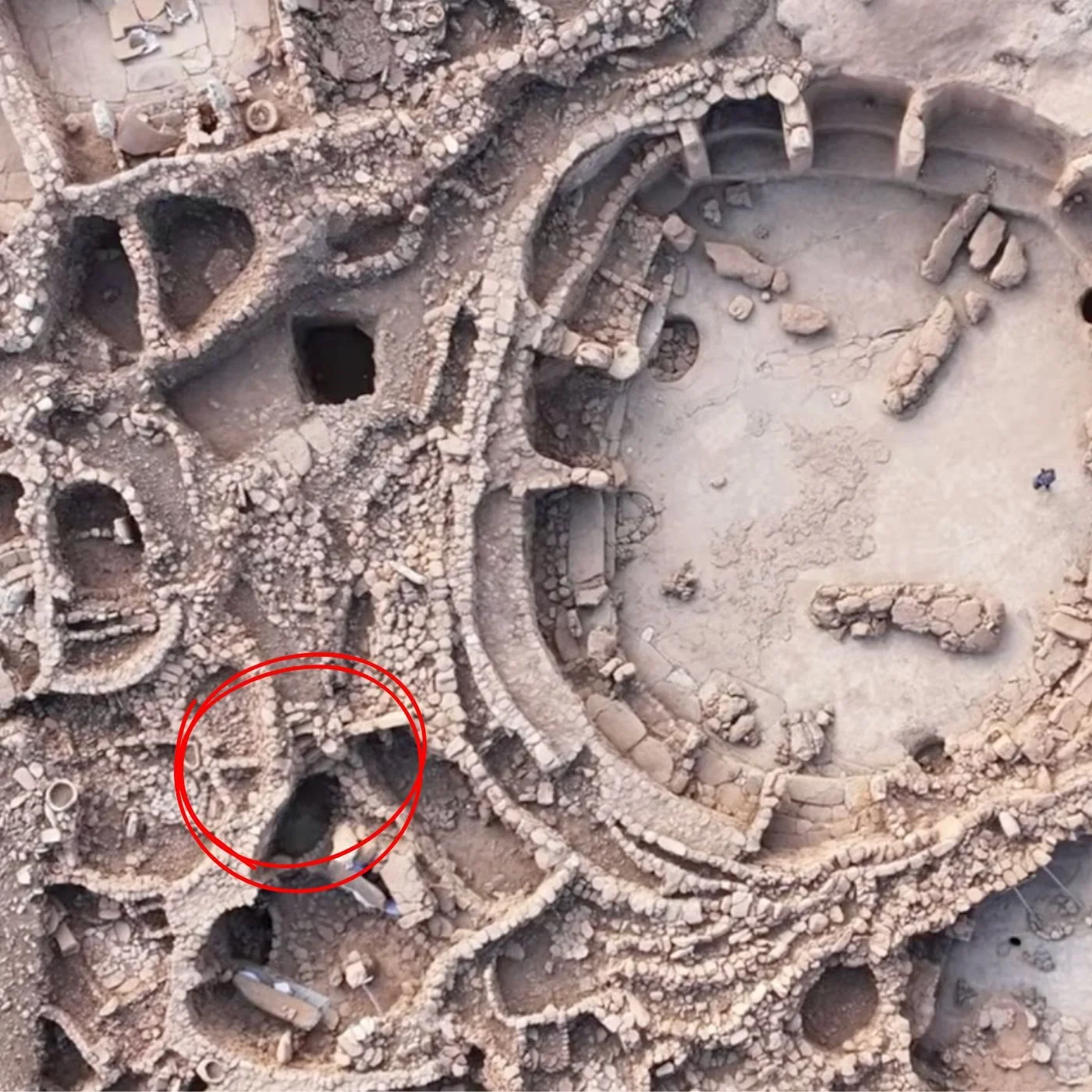
The staircase, hewn from stone and integrated into the site’s architecture, suggests that spaces here were not only symbolic but also intentionally navigated. This is a subtle but profound shift: it indicates that vertical movement, ascent and descent, may have potentially played a role in how these early communities structured ritual or social experience.
Some archaeologists interpret such features as markers of controlled access, suggesting that certain areas were intentionally elevated or separated, perhaps for ritual specialists or specific gatherings.
Why a Staircase Matters
At first glance, steps may seem like a simple feature. But in a Pre-Pottery Neolithic context, they signal a level of architectural planning far beyond basic shelter. Building a staircase requires:
an understanding of ergonomics and proportion
coordinated labor
a conceptual separation between levels of space
In other words, it reflects design thinking, evidence that these early builders were more complex than expected.
Rethinking the Origins of Monumental Architecture
For decades, the prevailing narrative held that complex architecture emerged alongside agriculture and settled life. Sites like Karahan Tepe challenge that assumption. Here we see sophisticated stone construction, symbolic spaces, and features like staircases appearing at the dawn of sedentary society.
This reinforces a growing idea in archaeology: that ritual and shared belief may have been catalysts for social organization long before fully developed farming economies.
What Comes Next
Excavations at Karahan Tepe are ongoing, and the site is still revealing its secrets. As research continues, features like the staircase will help archaeologists refine interpretations of movement, ritual choreography, and social structure in the Neolithic world.
What is already clear is that Karahan Tepe is not just another prehistoric settlement — it is a key chapter in the story of how humans began to build environments that reflected shared ideas and collective purpose.
Other Discoveries
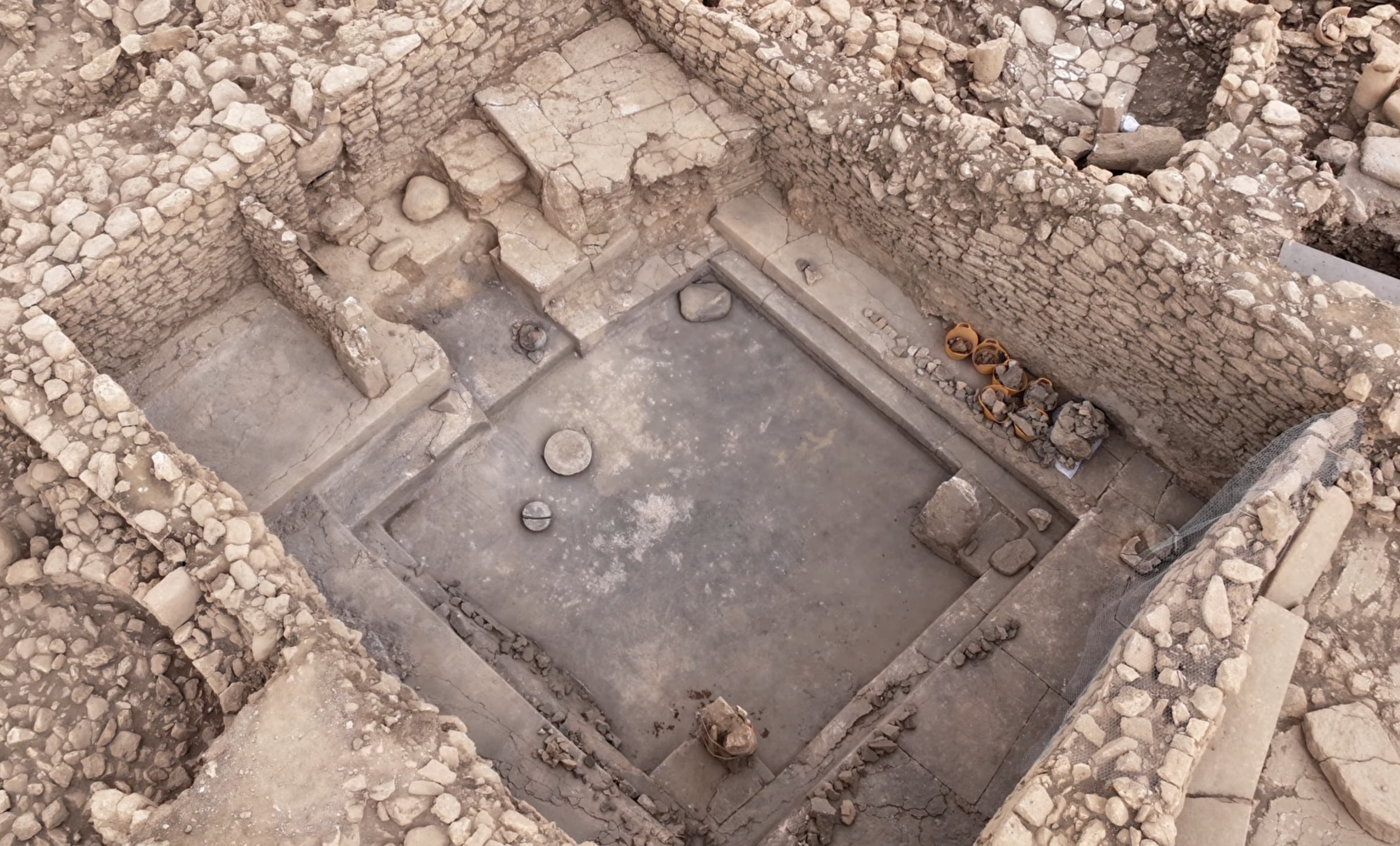
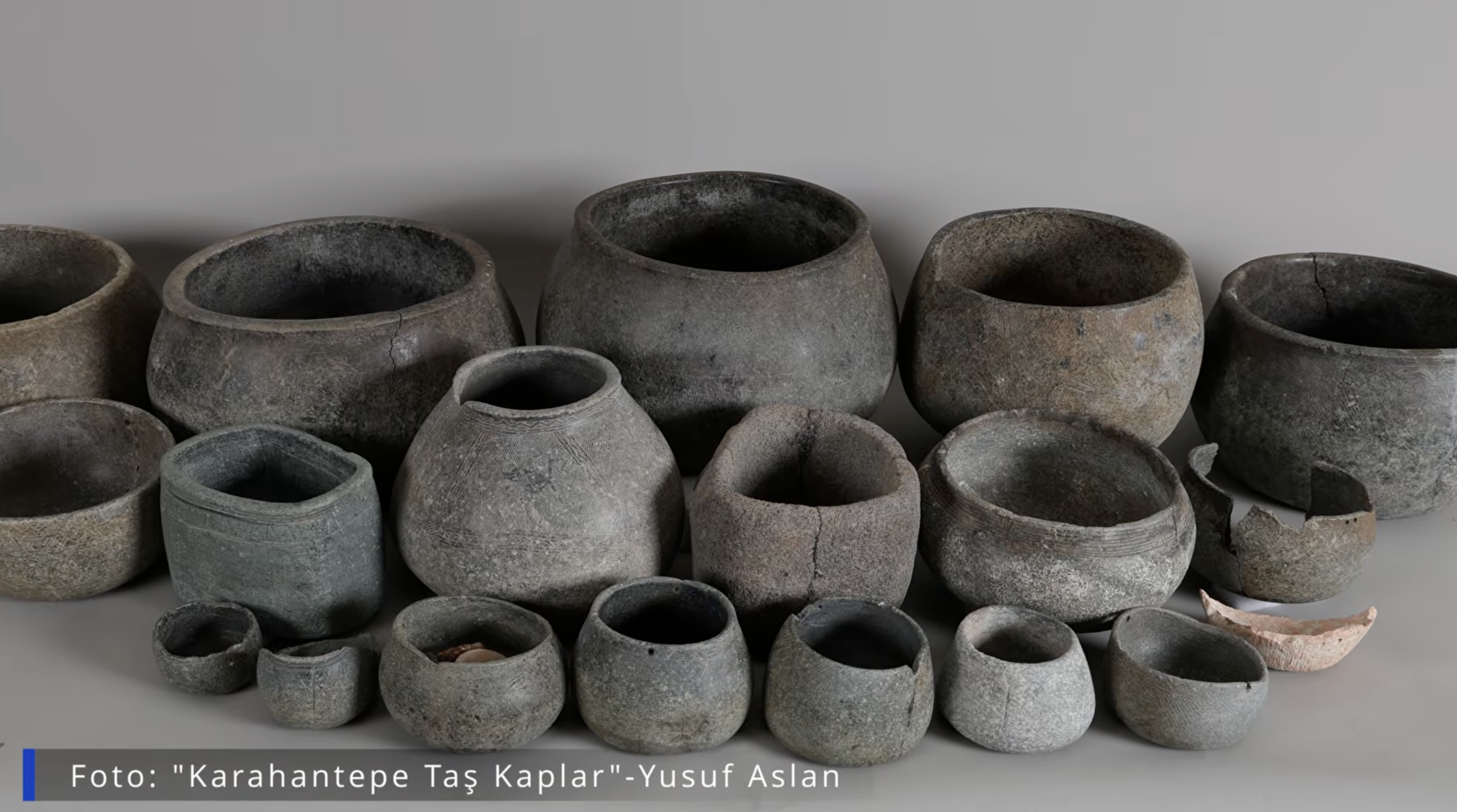
Ongoing excavations continue to reveal additional layers of complexity at Karahan Tepe. Researchers have identified a rectangular building, suggesting architectural variation beyond the circular enclosures more commonly associated with the period. Finely crafted stone vessels have also been uncovered, offering clues about daily practices or ceremonial activity
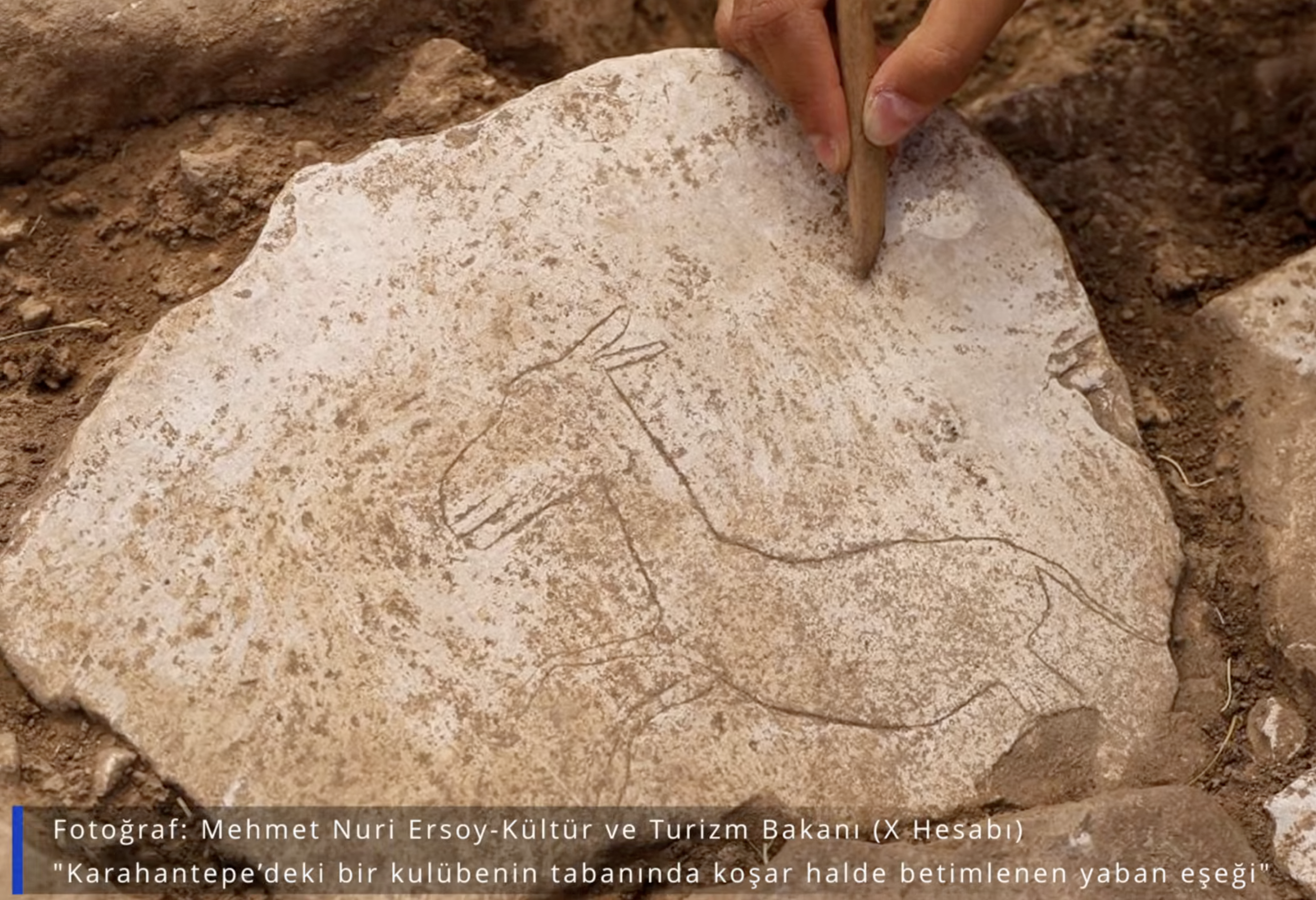
A recently documented donkey carving adds to the site’s growing body of animal imagery. Which includes leopards, snakes, wolves, and foxes.
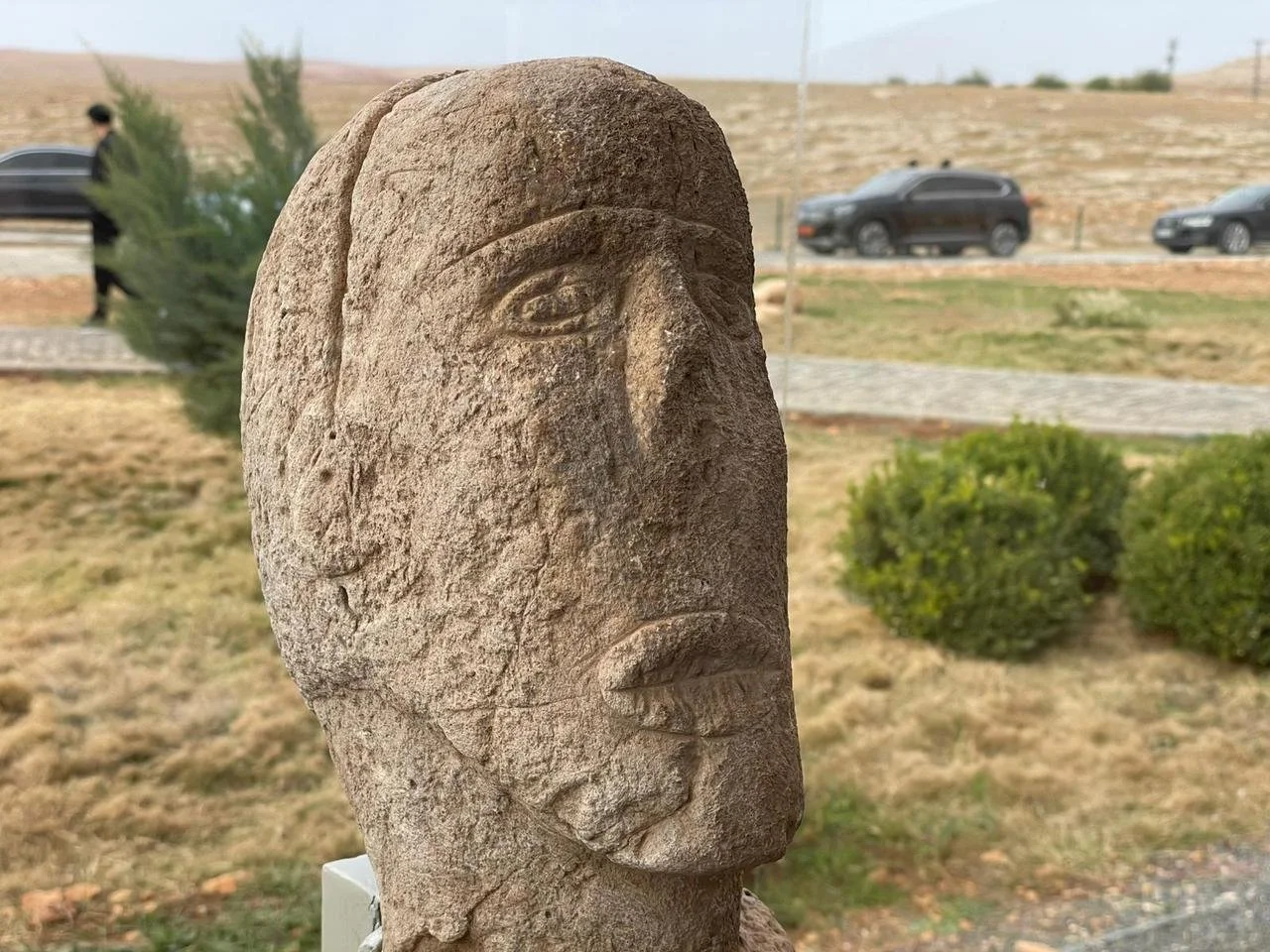
Beyond Karahan Tepe, exciting developments are also emerging at Sayburç, where a newly revealed statue is beginning to expand the picture of figurative art across the Taş Tepeler region.
This video from the YouTube channel Ancient Architects is a strong overview of the latest discoveries as of February 2026, including the newly uncovered donkey carving at Karahan Tepe and the remarkable stone vessels found at the site.
Sign up for our newsletter

Sign up for our newsletter and get a free e-book all about Karahan Tepe—plus be the first to know when new discoveries emerge from Karahan Tepe, Göbekli Tepe, and the mysterious Taş Tepeler region.
