

Taş Tepeler Exhibition in Berlin: A Presentation of the World’s Oldest Monument Builders
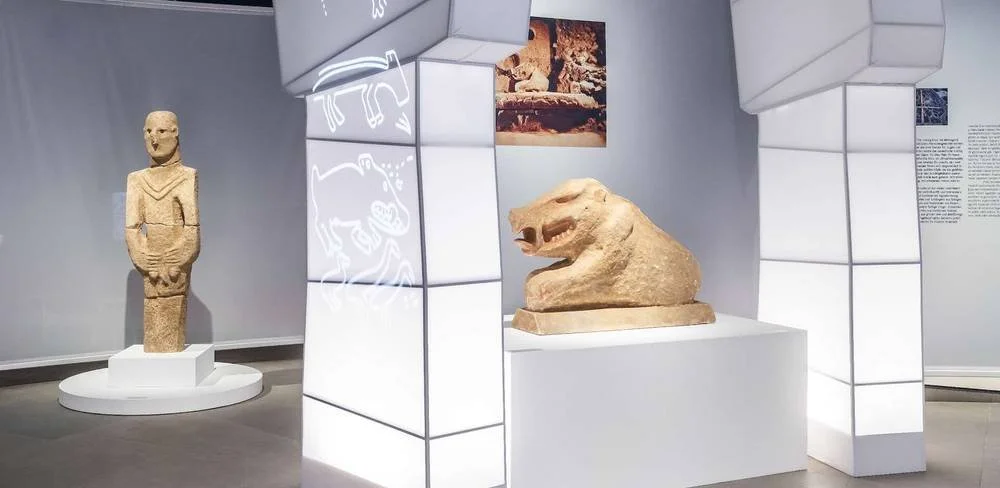
Urfaman and the painted Boar on display James-Simon-Galerie Museum Berlin @ David von Becker
From Stone Hills to Museum Island
For years, Göbekli Tepe stood alone in the public imagination, a 12,000-year-old sanctuary carved into a limestone hill in southeastern Türkiye, seemingly detached from the broader story of early civilization.
But archaeology rarely leaves anomalies untouched.
Ongoing research kept happening across the Şanlıurfa region and has revealed that Göbekli Tepe was not an isolated experiment in monument building. It was part of a broader network now known as Taş Tepeler.
Tas Tepeler is a constellation of Neolithic sites sharing architectural language, symbolic motifs, and construction techniques.
In 2026, that expanded understanding reached Berlin.
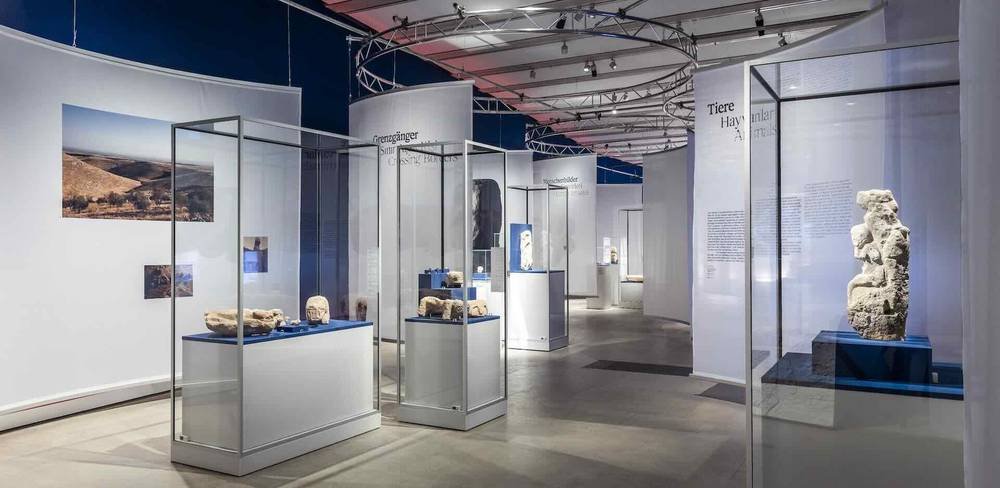
The exhibition “Building Community: Göbeklitepe, Taş Tepeler and Life 12,000 Years Ago”, hosted at the James-Simon Galerie in collaboration with the Vorderasiatisches Museum, Istanbul University, and the Şanlıurfa Archaeology Museum, presents original artifacts within a regional framework that moves beyond a single famous hill.
What is being exhibited is not just stone. It is the recognition of a cultural landscape. Which makes all of us over at the Karahan Tepe Research Team very excited :)
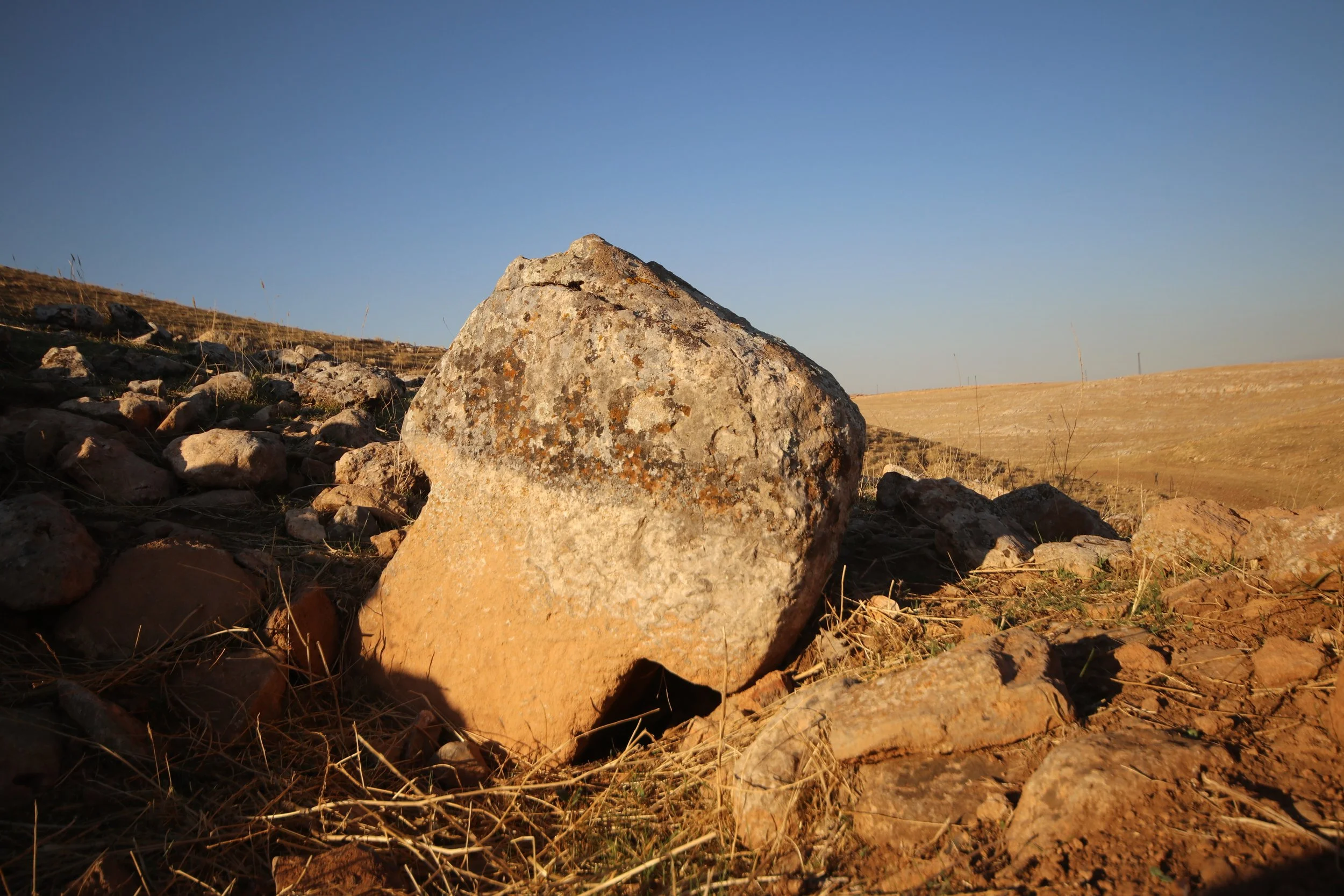
Tas Tepeler is Beyond the Single Hill of Gobekli Tepe
When Göbekli Tepe first entered public consciousness, it seemed singular. Monumental T-shaped pillars, carved with animals, arranged in circular enclosures. A sanctuary without a city around it.
For years, the narrative revolved around that one hill.
But ongoing excavations across the Şanlıurfa region have revealed a broader pattern. Similar architectural forms. Repeated pillar traditions. Shared symbolic language. Elevated limestone ridges chosen again and again as places of construction.
Taş Tepeler, meaning “Stone Hills,” refers to this network of sites. It includes multiple Pre-Pottery Neolithic settlements that together form what researchers now describe as a Neolithic cultural landscape.
That phrase matters. A site can be exceptional. A landscape implies continuity, interaction, and regional identity.
Berlin is presenting that larger picture to the world for the first time.
Building Community: Göbeklitepe, Taş Tepeler and Life 12,000 Years Ago James-Simon-Galerie Museum Berlin @ David von Becker
What the Exhibition Shows
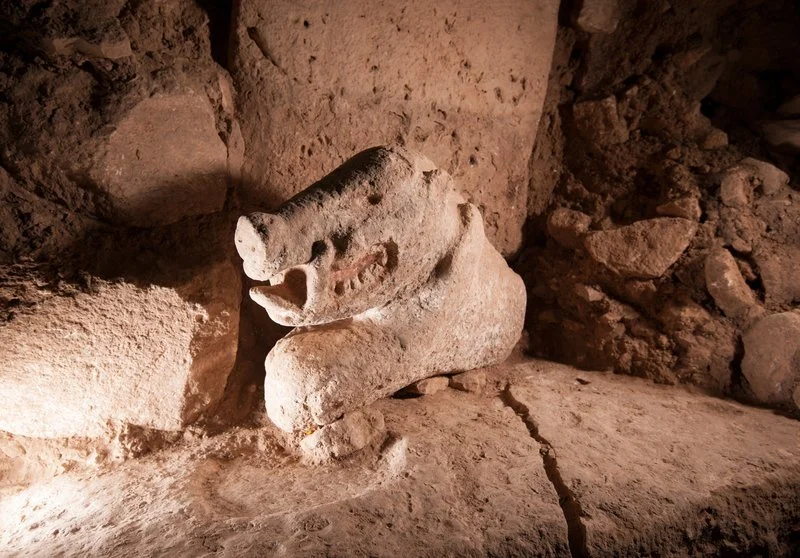
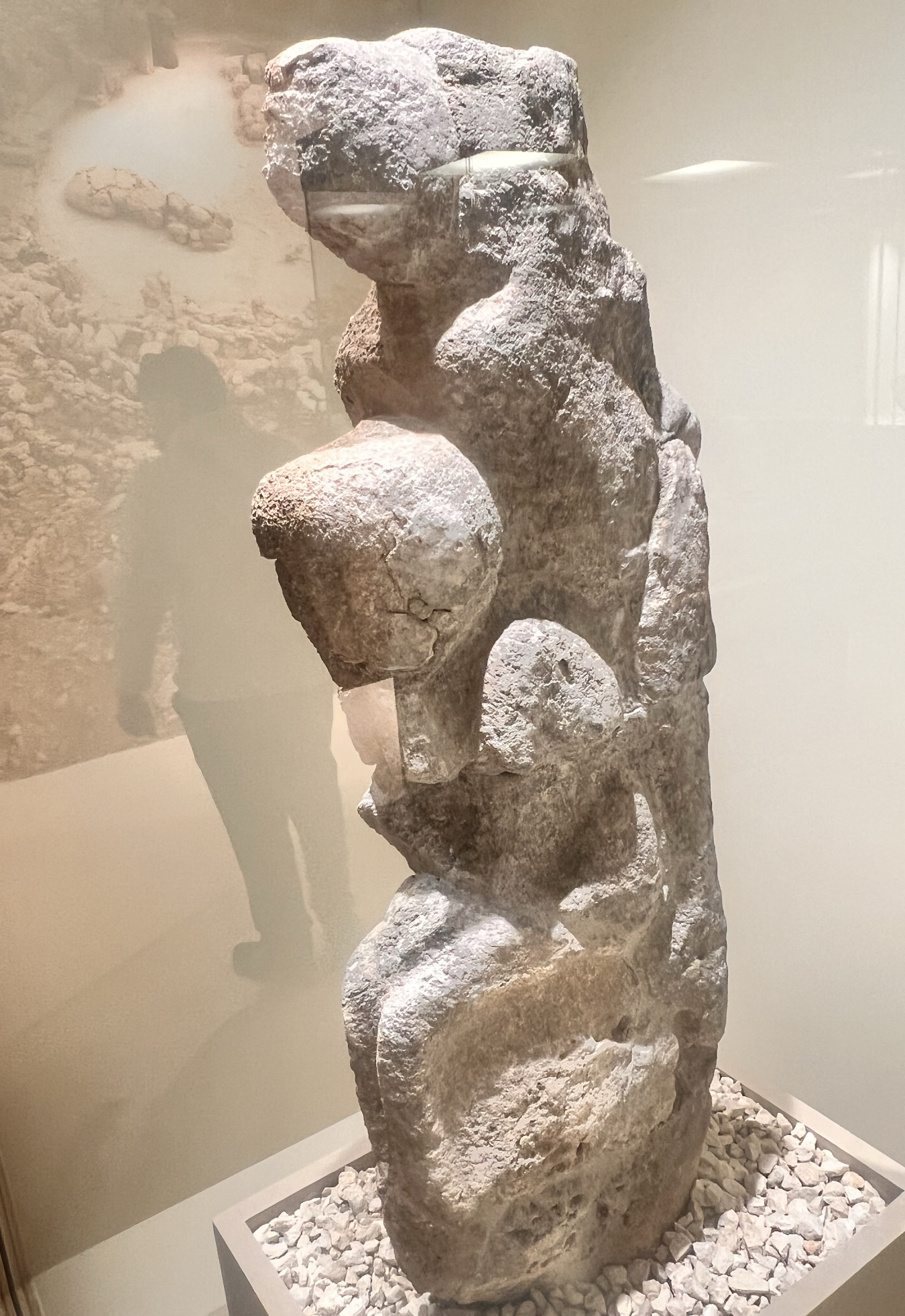
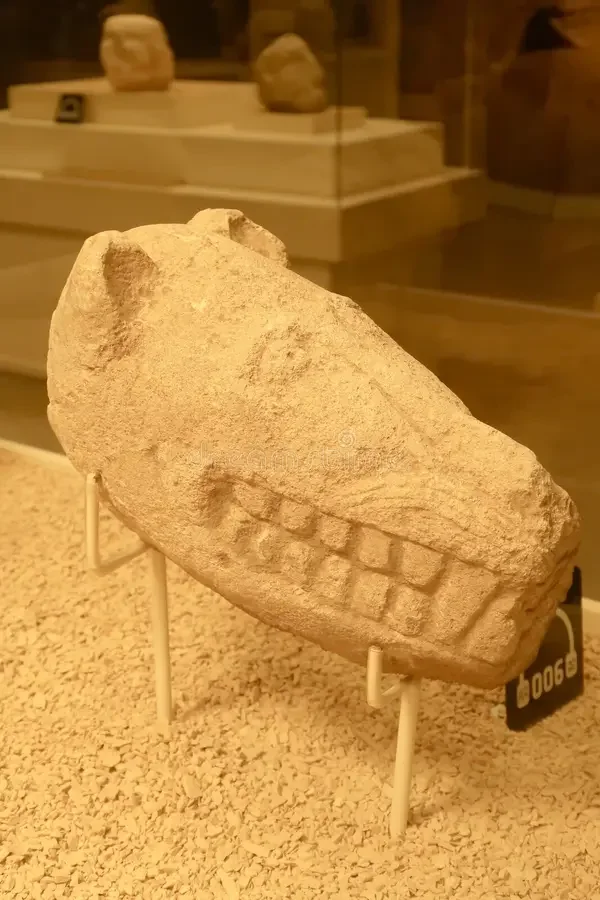
Urfa Man
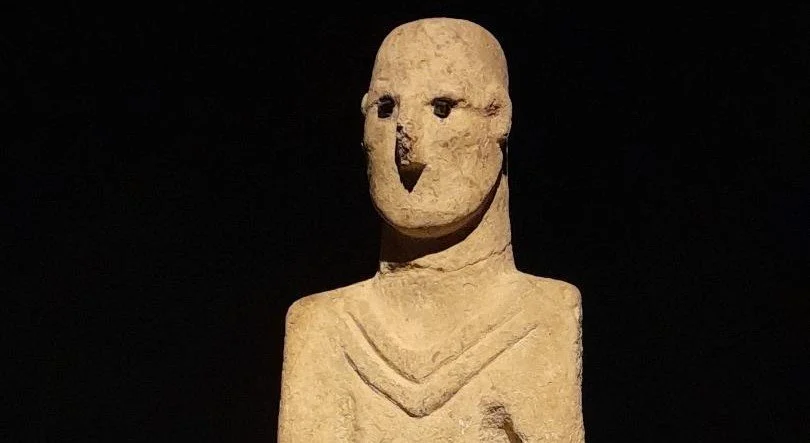
One of the most striking figures associated with the region is Urfa Man, often described as one of the oldest life-sized human statues ever discovered.
Dating to the Pre-Pottery Neolithic period (10,000 years old), the limestone figure stands upright, hands clasped at the abdomen, eyes inlaid with obsidian. The gaze is fixed, almost confrontational. It is not stylized abstraction. It feels intentional, embodied. Often called the oldest known full size human statue.
Pillars and Fragments
Visitors also encounter sculptural fragments from the Taş Tepeler landscape — portions of T-shaped pillars, relief panels, and architectural elements that once formed part of larger ritual spaces.
The exhibition frames these monuments as evidence of community formation at an unexpectedly early stage in human history.
The Göbekli Tepe Boar
The boar sculpture from Göbekli Tepe is another defining object.
That’s because this object still had red and black paint on it. Giving us a glimpse into what these structures, pillars, and artifacts once actually looked like.

Pillar pit and head at Karahan Tepe @ Dakota Wint
Where Karahan Tepe Changes the Story
Among the Taş Tepeler sites, Karahan Tepe has become increasingly central to scholarly discussion.
While Göbekli Tepe introduced the world to monumental enclosures of this era, Karahan Tepe reveals architectural variation and integration that expand the narrative. Enclosures carved directly into bedrock, pillars emerging from living limestone, and more complex spatial arrangements suggest development within the tradition.
The Taş Tepeler sites are not carbon copies of each other. They show variation. Experimentation. Architectural growth. Such as the only known rectangular structure found so far, at Karahan Tepe.
Taken together, the sites of Taş Tepeler suggest a sustained cultural process rather than a one-time experiment in monument building.
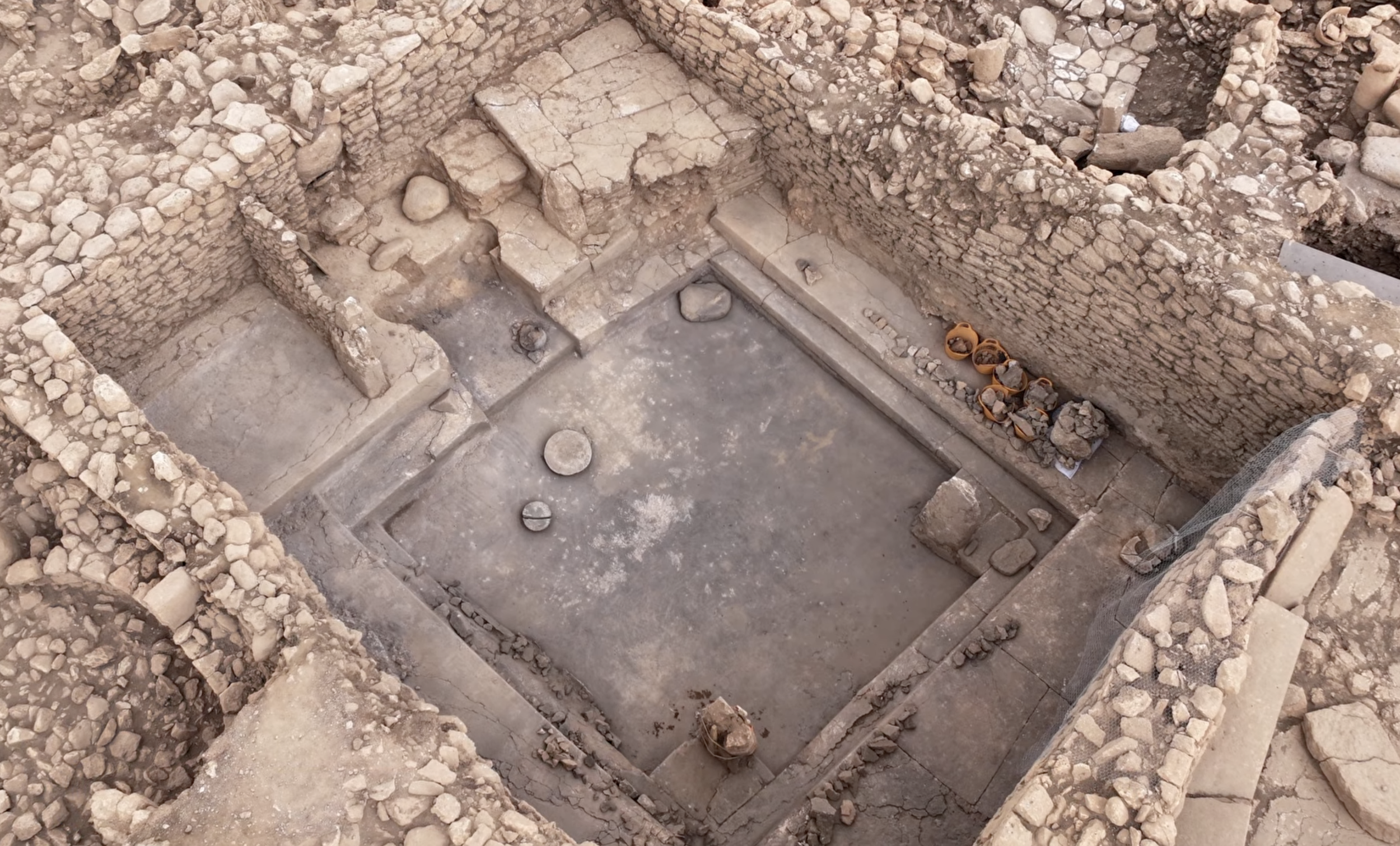
The newly found rectangular structure at Karahan Tepe
A Regional Discovery with Global Consequences
What makes this exhibition important is not just the artifacts on display. It is the shift in narrative.
Taş Tepeler is no longer treated as a curiosity orbiting one famous site. It is recognized as a regional phenomenon that forces us to reconsider how complex societies emerged. That idea is now being presented in Berlin, at the heart of Europe’s museum culture.
Twelve thousand years after these stones were carved into Anatolian hills, they are still reorganizing how we think about ourselves.
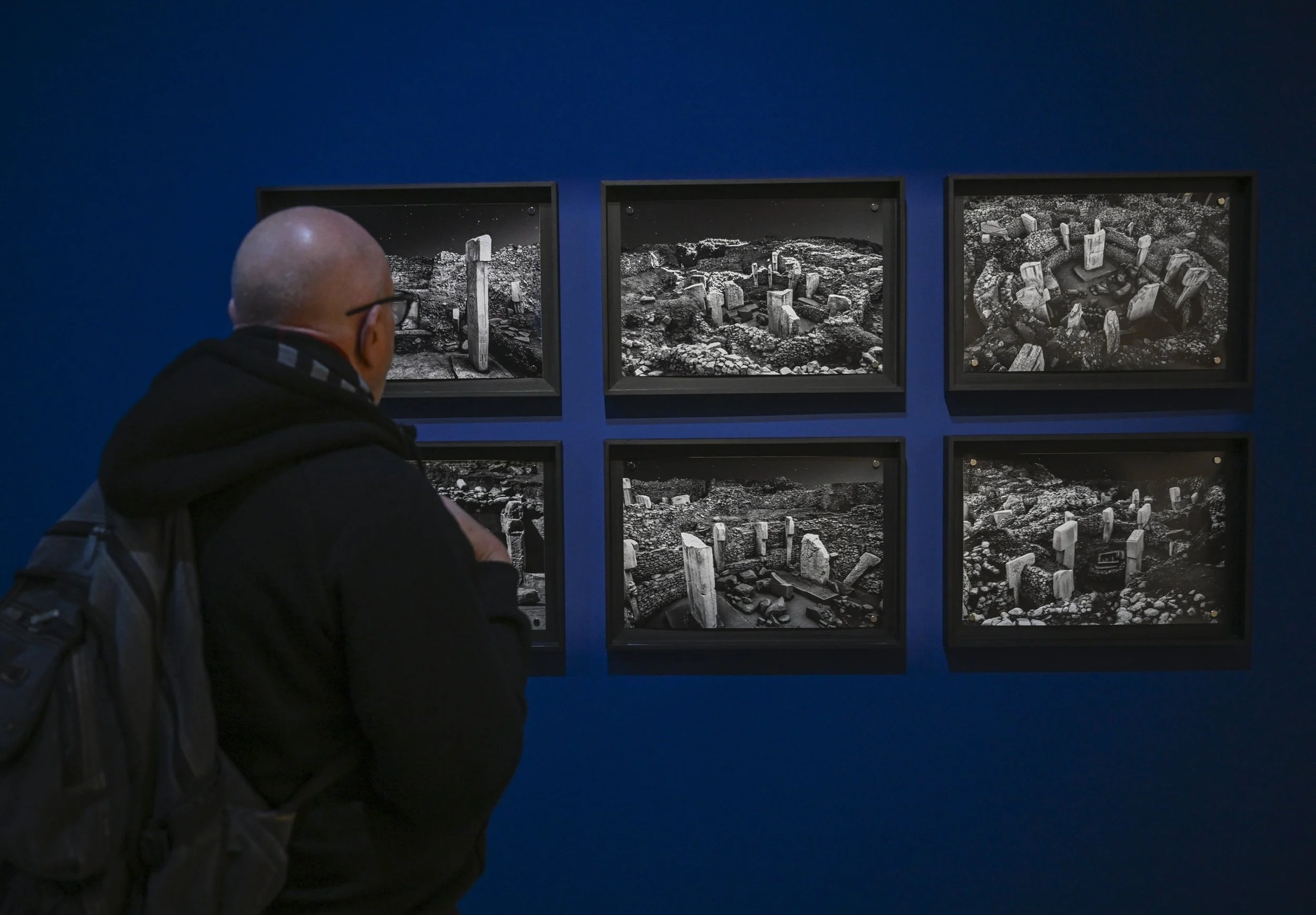
Exhibition Dates and How to Visit in Berlin
For those who want to experience the Taş Tepeler story firsthand, the Berlin exhibition offers a rare opportunity to see original material from southeastern Türkiye outside its archaeological landscape.
Exhibition Title: Building Community: Göbeklitepe, Taş Tepeler and Life 12,000 Years Ago
Venue: James-Simon Galerie, Museum Island, Berlin
Organized by: Vorderasiatisches Museum in collaboration with Istanbul University and the Şanlıurfa Archaeology Museum
Dates: February 6, 2026 – July 19, 2026
Ticket Price: €14 standard admission, €7 reduced
The exhibition combines original artifacts from the Şanlıurfa region with contextual media installations that reconstruct elements of the Neolithic architectural environment. Visitors move through thematic sections focused on architecture, symbolism, daily life, and the emergence of early communal organization.
Because exhibitions at Museum Island can operate with timed entry or adjusted hours, it is advisable to consult the official museum website prior to visiting for the most current opening times and ticket information
FREE KARAHAN TEPE E-BOOK
Sign up to our newsletter for a free Karahan Tepe E-Book
