

Göbekli Tepe Wasn’t Alone. Ayanlar Höyük Proves It
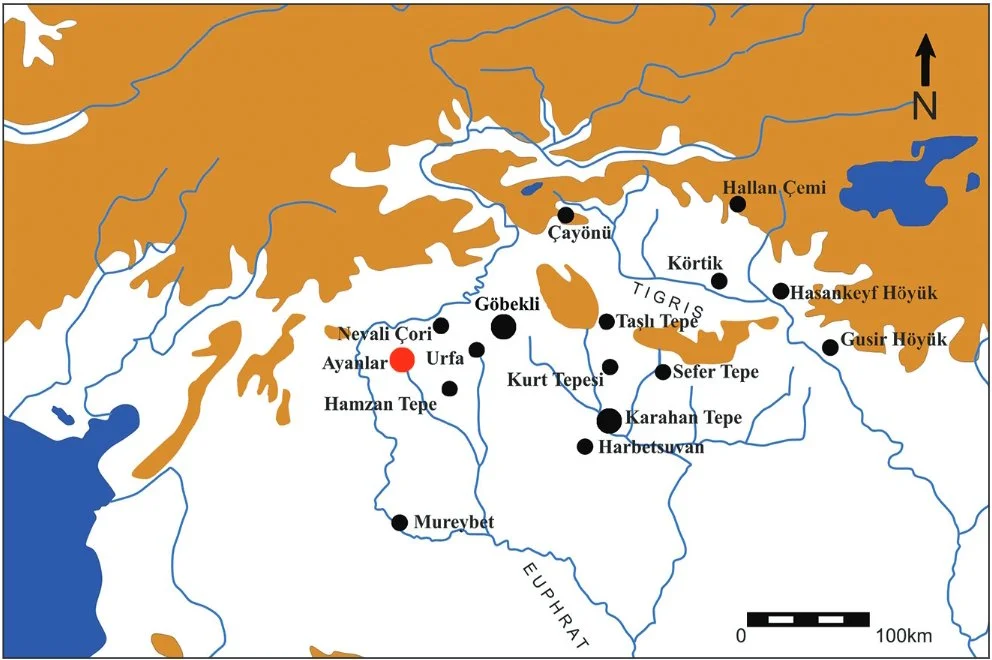
Ayanlar Höyük and other Neolithic centers located in the Sanliurfa region
Hidden in plain sight
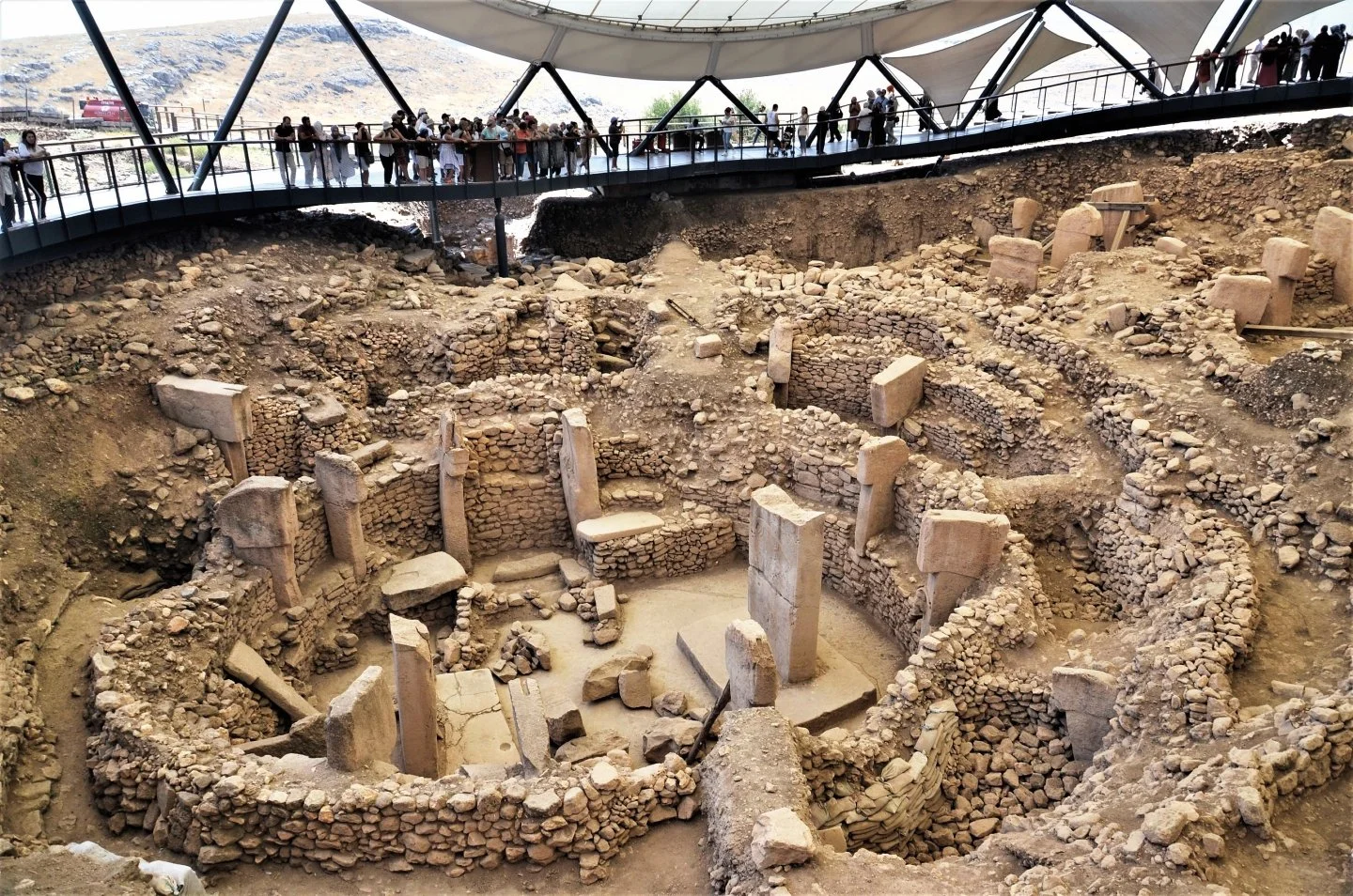
For years, Göbekli Tepe stood alone. Monumental stone enclosures, carved pillars, and almost no trace of ordinary life. No houses, no clear evidence of farming, nothing that fits cleanly into the idea of a settlement. It looked like a place set apart, built for purposes that still aren’t fully understood.
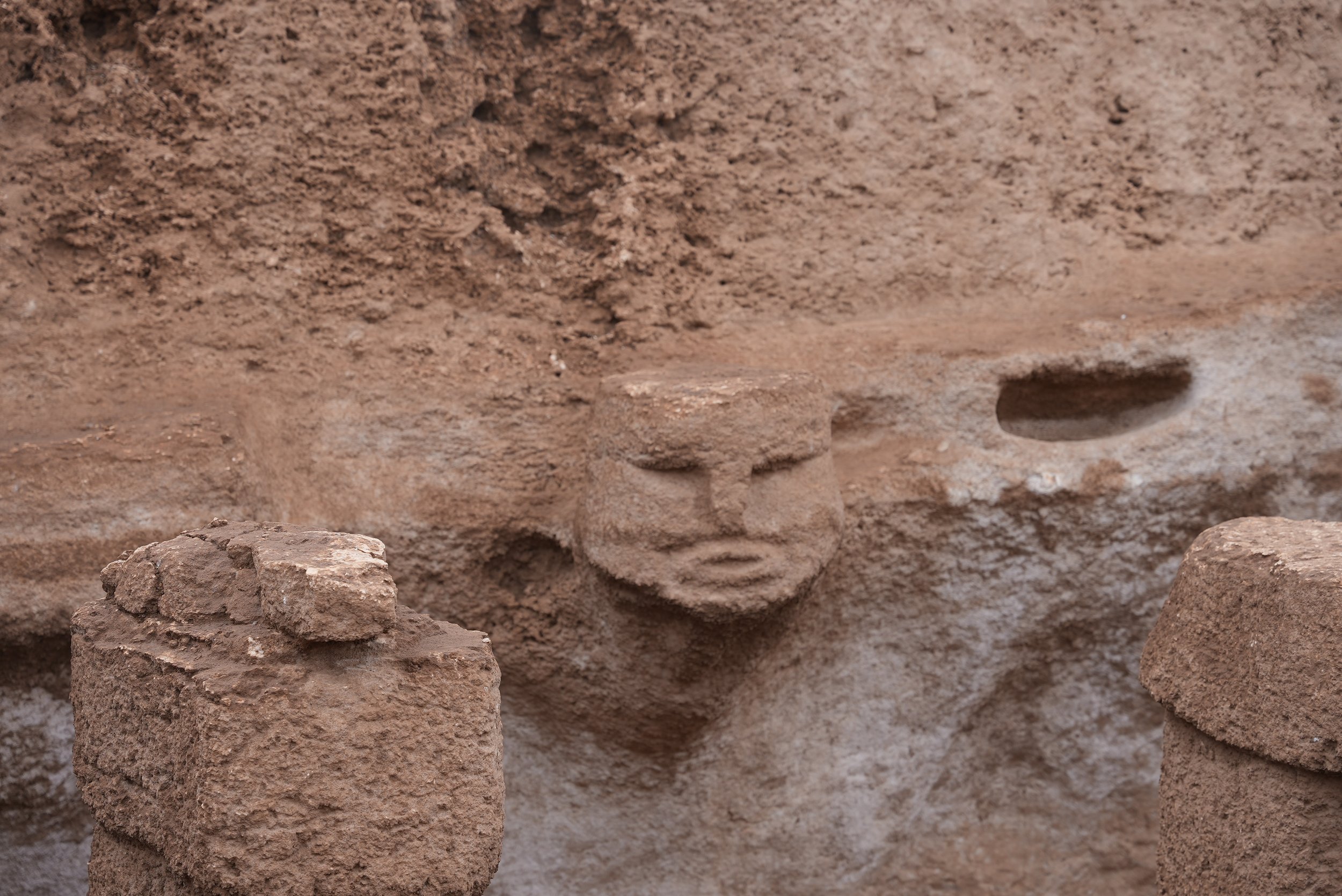
Then Karahan Tepe changed that.
It dates to the same period, but reveals a different kind of structure. A staircase cut directly into the bedrock. A rectangular building. Human figures emerging from the stone itself.
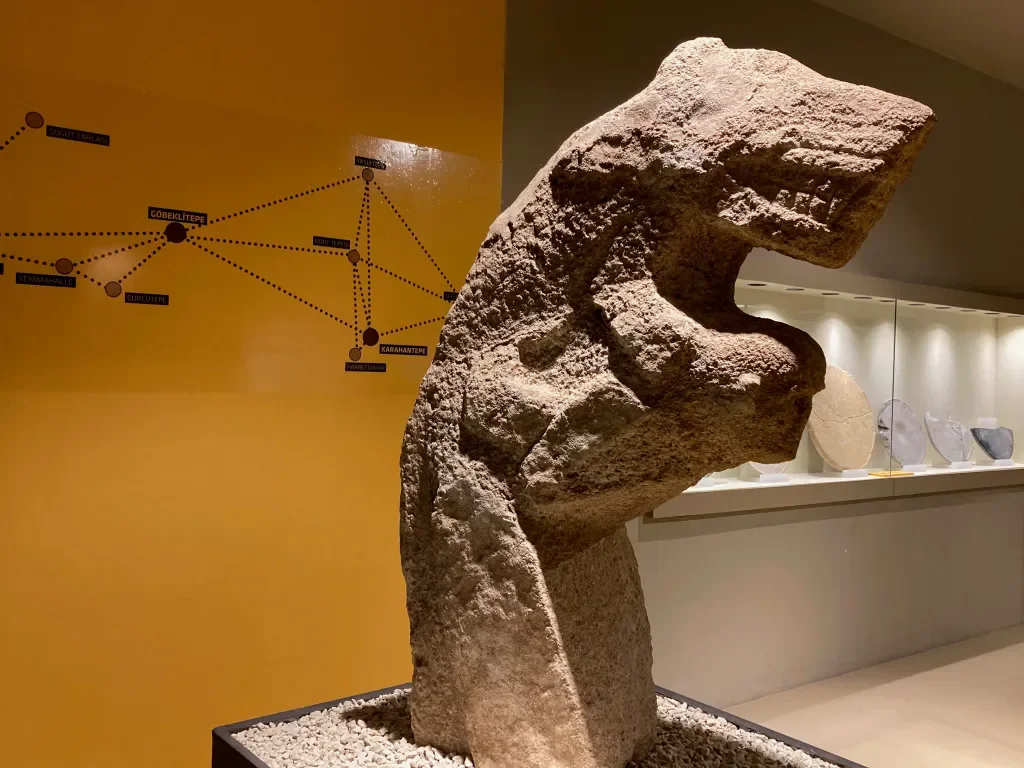
Even the symbolic language shifts. At Göbekli Tepe, foxes dominate the imagery. At Karahan Tepe, the leopard appears instead. Close enough to be related, but different enough to suggest variation rather than repetition.
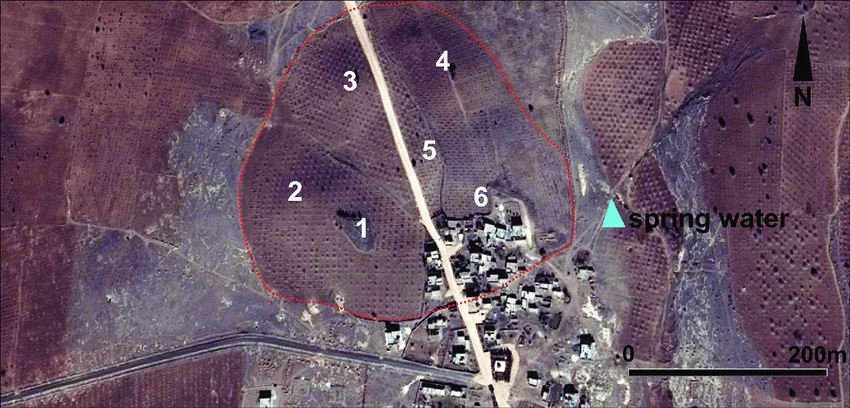
View of Ayanlar Höyük from the North (photo by B. Çelik).
Ayanlar Höyük Enters Taş Tepeler
Now another site is starting to come into focus. Ayanlar Höyük.
At first glance, it offers very little. No exposed pillars. No monumental architecture. Almost everything remains buried, and excavation only began in September 2025, when the site was added to the Taş Tepeler project as its twelfth active excavation.
But the scale is already clear.
The mound covers roughly 14 hectares, measuring about 250 by 300 meters and rising close to 10 meters above the surrounding bedrock. Its surface breaks into multiple hillocks rather than forming a single rise, a pattern seen across other large Neolithic sites in the region.
This is not a peripheral site. It is seriously large, competing with Gobekli Tepe and Karahan Tepe in size.
And even without exposed architecture, the material places it inside the same world.
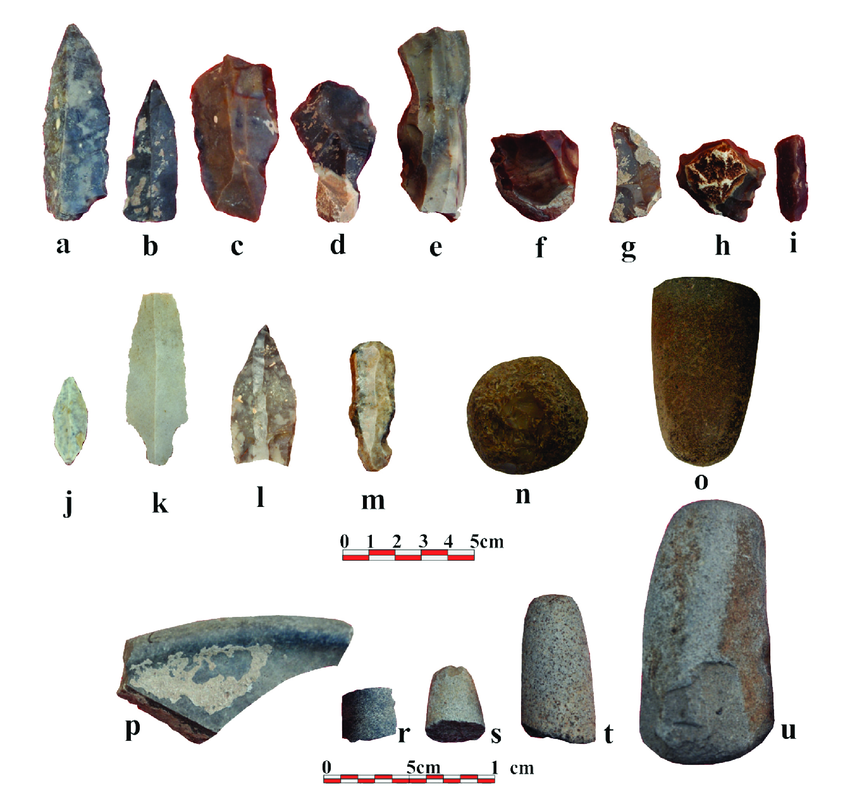
Based on surface material and attributed finds, Ayanlar is placed within the early to middle Pre-Pottery Neolithic B period. There is no pottery on the surface, and the lithic assemblage, including Byblos- and Nemrik-type arrowheads, aligns with that timeframe.
So at minimum, it belongs to the same horizon as later Göbekli Tepe.
What lies beneath that horizon is still unknown.
With roughly 10 meters of accumulated deposits, the mound has the depth to contain earlier phases, potentially reaching back toward the older monumental layers known at Göbekli. But until excavation reaches those levels, that remains a possibility, not a result.
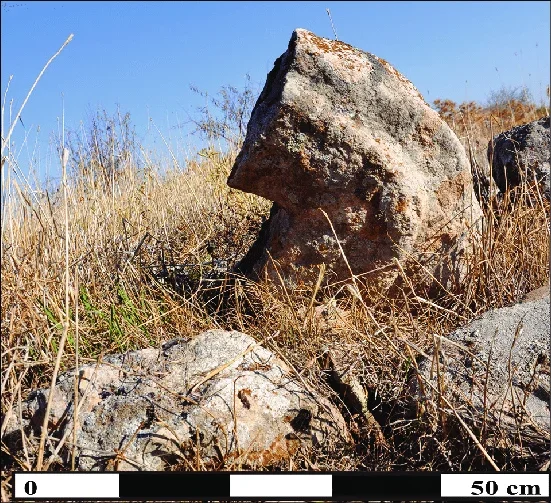
A porthole stone fragment from Ayanlar Höyük (photo by B. Çelik).
The porthole fragment
A porthole-style stone fragment has been found and directly compared to similar elements at Göbekli Tepe, Karahan Tepe, and Sayburç.
They are typically associated with controlled interior spaces, likely functioning as doorways or partitions within special buildings.
There’s also a pedestal-like stone with a hollow center, the kind of element often linked to pillar settings or fixed installations found at other sites.
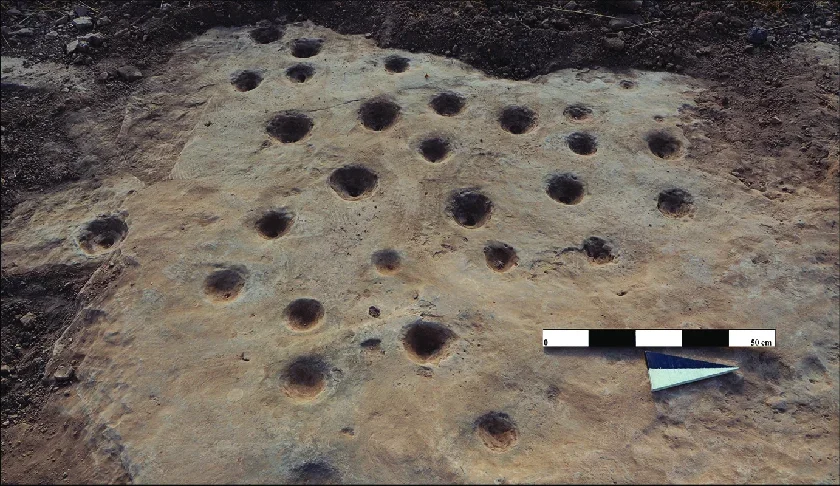
Groups of hollows carved into the bedrock at Ayanlar Höyük (photo by B. Çelik).
On the bedrock itself, there are carved hollows similar to techniques used at other Taş Tepeler sites, where architecture is cut directly into stone rather than built upward.
None of this is architecture you can walk through yet - but it’s the kind of material that usually sits around something larger.
Material That Matches the System
Flint debris appears in large quantities, suggesting on-site tool production, even though flint sources aren’t located immediately nearby. That implies movement, trade, or organized procurement.
“Surface survey shows intensive flint working at Ayanlar, but no local flint sources have been identified, indicating the material was brought to the site (Çelik 2017).”
There are grinding stones, pestles, stone vessels, axes, and worked tools consistent with early Neolithic life.
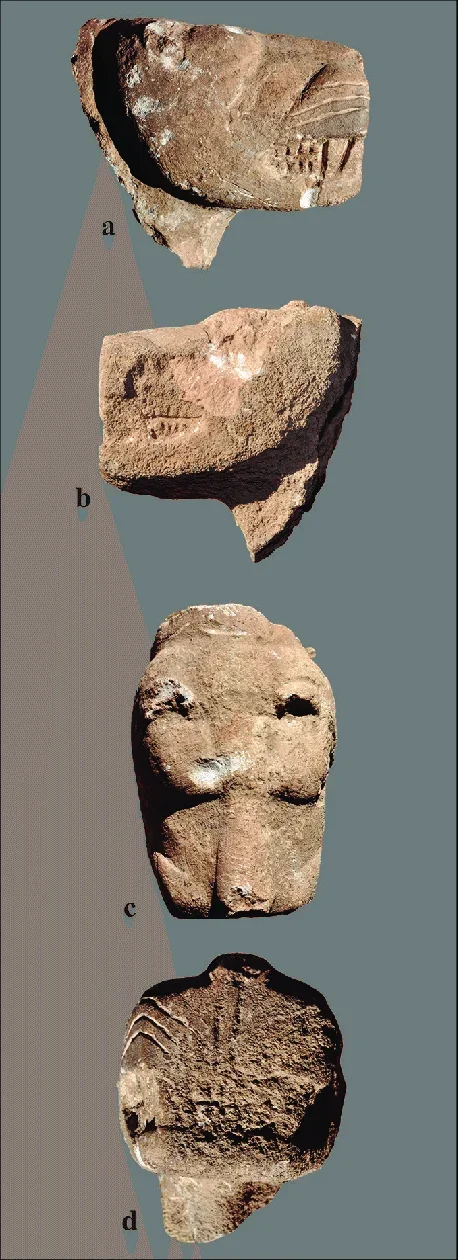
More telling are the pieces attributed to the site through museum collections such as the piece to the left.
A sculptural fragment interpreted as a leopard or lion head found at Ayanlar Hoyuk.
These aren’t isolated curiosities. They line up directly with material found at sites like Göbekli Tepe, Karahan Tepe, and Sayburç.
Even without exposed structures, Ayanlar is operating inside the same symbolic and technical language.
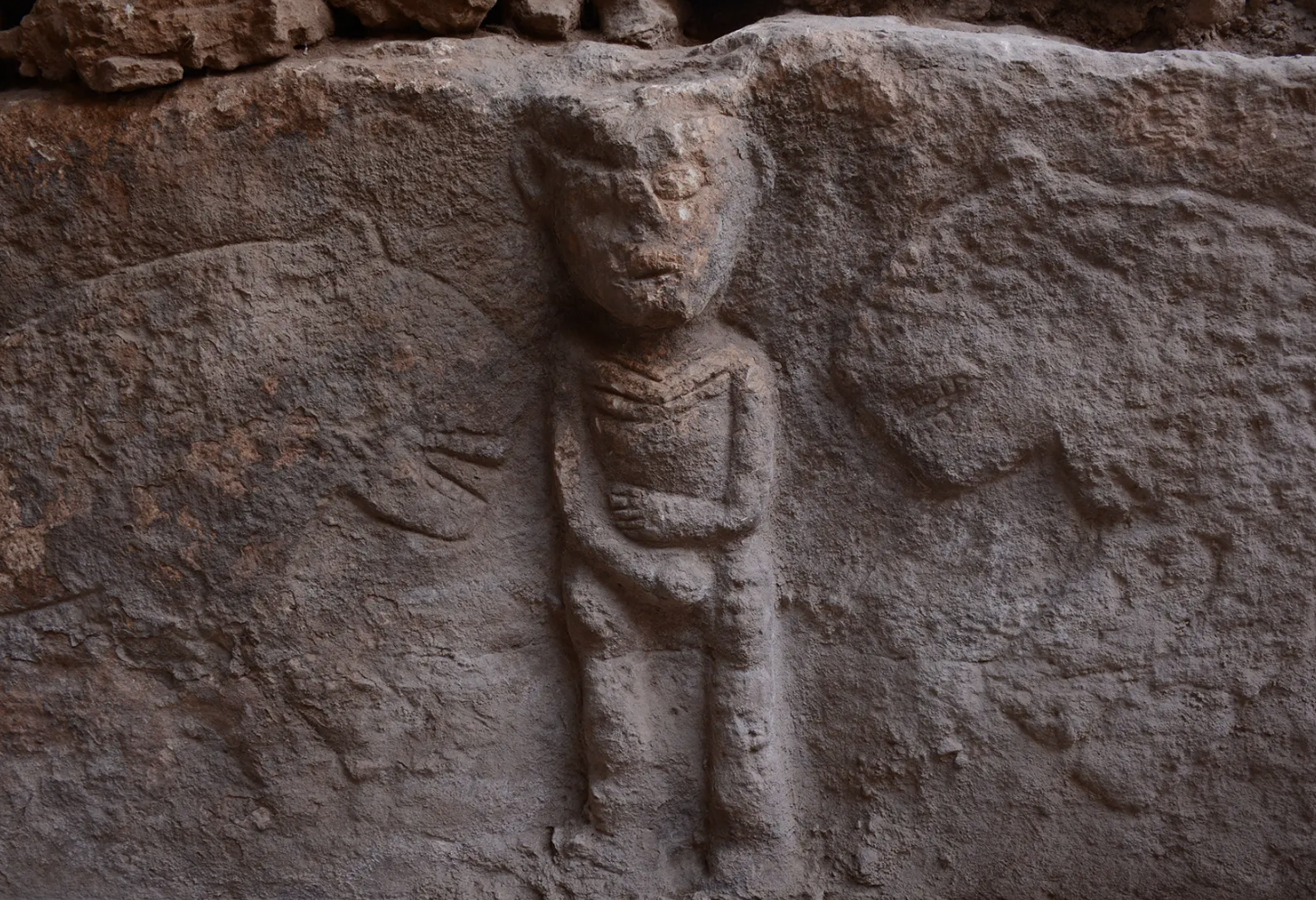
Sayburç leopard man, showing the similarities between the head found at Ayanlar Hoyuk
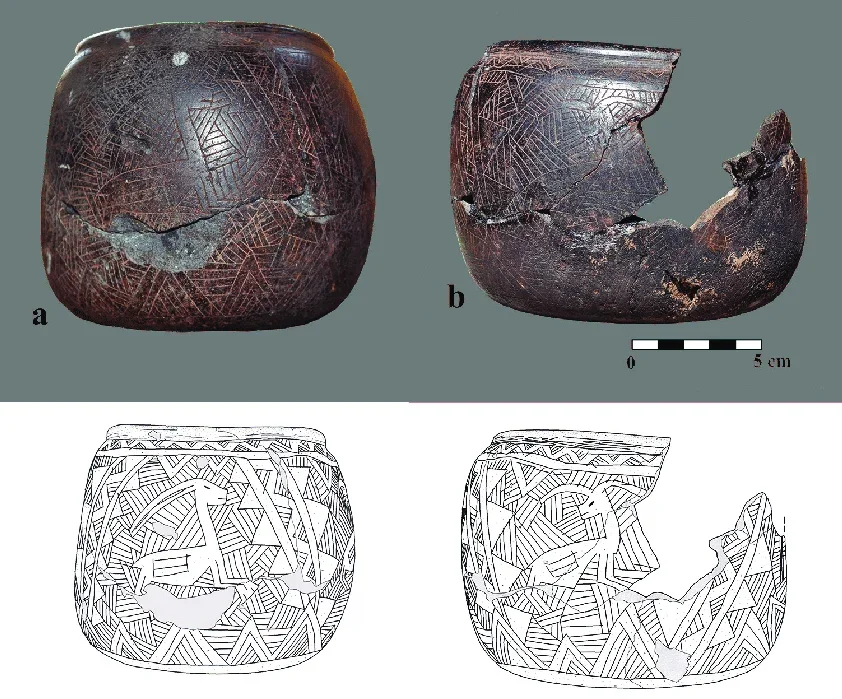
Decorated stone vessel from Ayanlar Höyük (photo and drawing by B. Çelik).
What Ayanlar represents is not a solved site, but a change in perspective.
Göbekli Tepe is no longer an isolated point in time and space. It sits within a wider landscape that is only now beginning to take shape. Karahan Tepe made that clear. Ayanlar extends it further.
If you would like to be updated with Tas Tepeler discoveries such as Ayanlar Hoyuk, Karahan Tepe, Sefertepe, Sayburc, and more - subscribe to our news letter.

Free Karahan Tepe E-Book when signing up to our newsletter
